
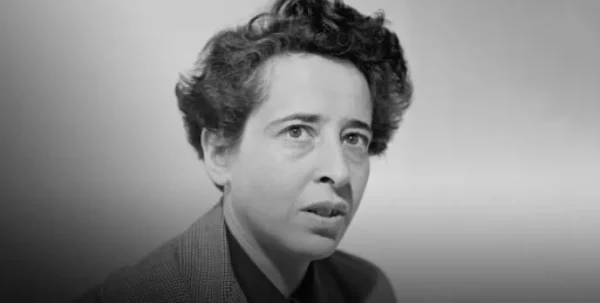
On April 15, inside a lecture hall at Washington University, the audience will gather to watch a film about a philosopher who spent much of her life making people uncomfortable.
That was never accidental.
More than 60 years after Hannah Arendt ignited fierce debate with her reporting on the trial of Nazi official Adolf Eichmann, her ideas still split opinion, especially among Jews still wrestling with how the Holocaust should be understood.
“The sad truth is that most evil is done by people who never make up their minds to be good or evil,” Arendt wrote.
That idea became the foundation of what she called the “banality of evil,” her argument that history’s worst crimes aren’t always driven by monsters but by ordinary people who stop thinking about what they are doing.
Why she became controversial
The reaction was immediate. And personal.
ADVERTISEMENT

After publishing “Eichmann in Jerusalem,” Arendt faced intense criticism from parts of the Jewish community. Friendships fractured. Some critics labeled her a “self-hating Jew,” a phrase that would later become common in debates about Israel and Jewish identity.
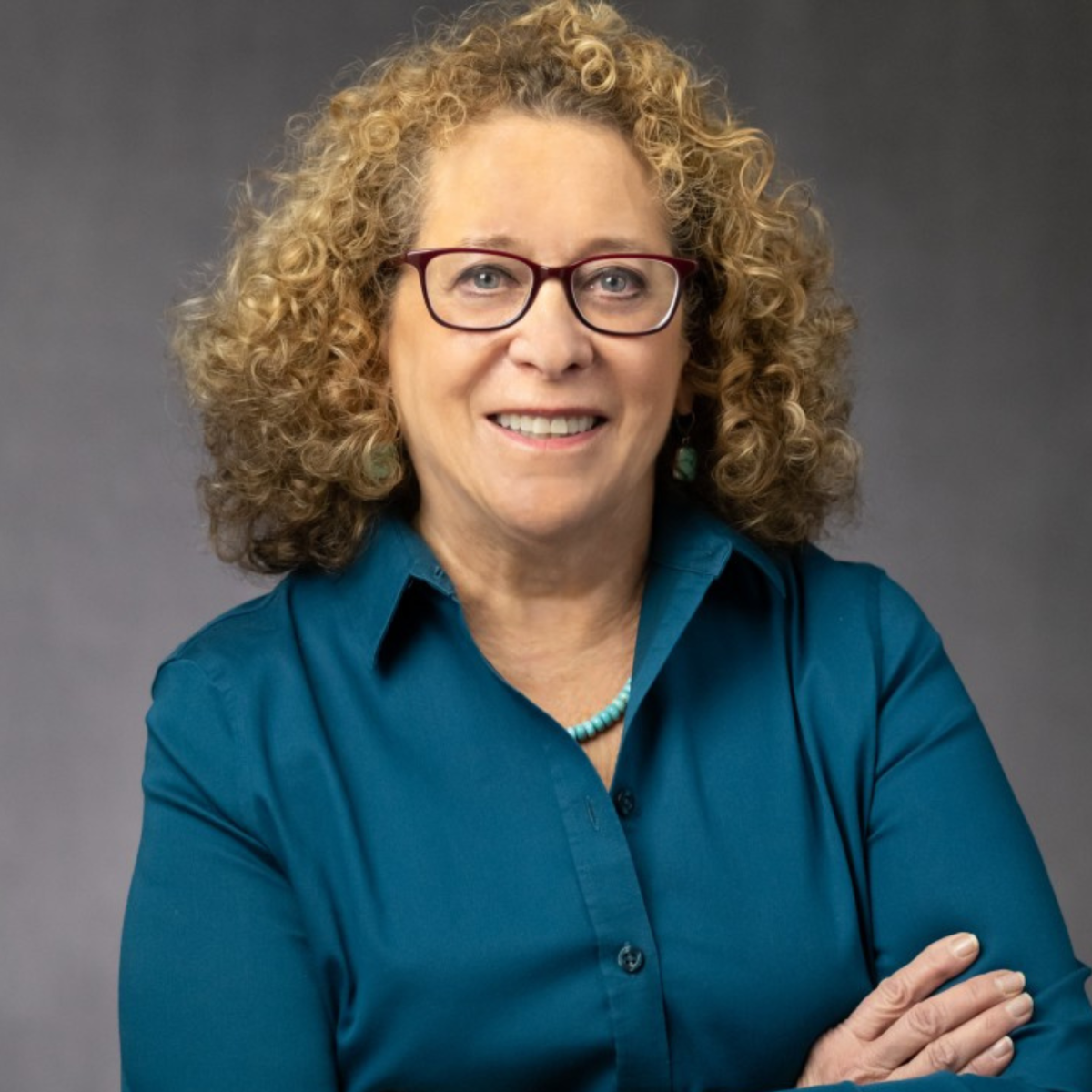
Jonathan Judaken, the Gloria M. Goldstein Professor of Jewish History and Thought at WashU, said Arendt became controversial for several reasons, including her evolving views on Zionism.
“She persistently argued for a Jewish homeland,” Judaken said, but envisioned “a federated, pluralistic, democratic, secular state — a homeland where Jews and Palestinians coexisted as neighbors with no official state religion.”
Her criticism of how Israel developed politically made her a more controversial figure.
Judaken said another flashpoint came from how she interpreted the Eichmann trial.
“She was deeply critical of the ways in which Ben Gurion and the Israeli state used the trial to reinforce Israeli legitimacy,” he said, rather than using it to strengthen emerging ideas around international law and crimes against humanity.
Why her ideas still matter
Her work also challenged the idea that antisemitism was a unique or eternal phenomenon.
Instead, Judaken said, Arendt believed modern antisemitism should be understood alongside other forms of racism and as part of the machinery that enables totalitarian movements.
Yet the arguments she started never really stopped.
Judaken said her work continues to resonate in part because she wrote not just as an observer but as someone shaped by displacement.
“She understood the experience of statelessness and the perils of being a refugee because she lived it as a Jew fleeing Nazi Germany,” he said.
At a time when migration and refugees remain central political issues, he said her ideas about what she called “the right to have rights” still shape discussions of human rights and democracy.
Why WashU is revisiting her now
The April 15 screening of “Hannah Arendt: Facing Tyranny,” followed by a faculty panel, is meant to bring those questions into the present, not just revisit history.
Judaken said he hopes audiences come away understanding how Arendt’s life shaped her ideas.
“The film will show how her life experiences as a refugee from Nazism influenced her political theory,” he said, and why she remains relevant “as we face the forces of tyranny on the rise again today.”
That may be her real legacy. Not agreement. Argument.
Event Info
What: “Hannah Arendt: Facing Tyranny” film screening and panel discussion
When: April 15, reception at 5:30 pm, film at 6 pm, panel at 7:30 pm
Where: Washington University, Danforth Campus, Rebstock Hall, Room 215
Ticket Info: Free and open to the public. More information available through WashU’s Jewish, Islamic and Middle Eastern Studies program.