
St. Louis Diaspora is a Jewish Light series about people who started in St. Louis and went on to do interesting things elsewhere and the hometown that helped shape them.
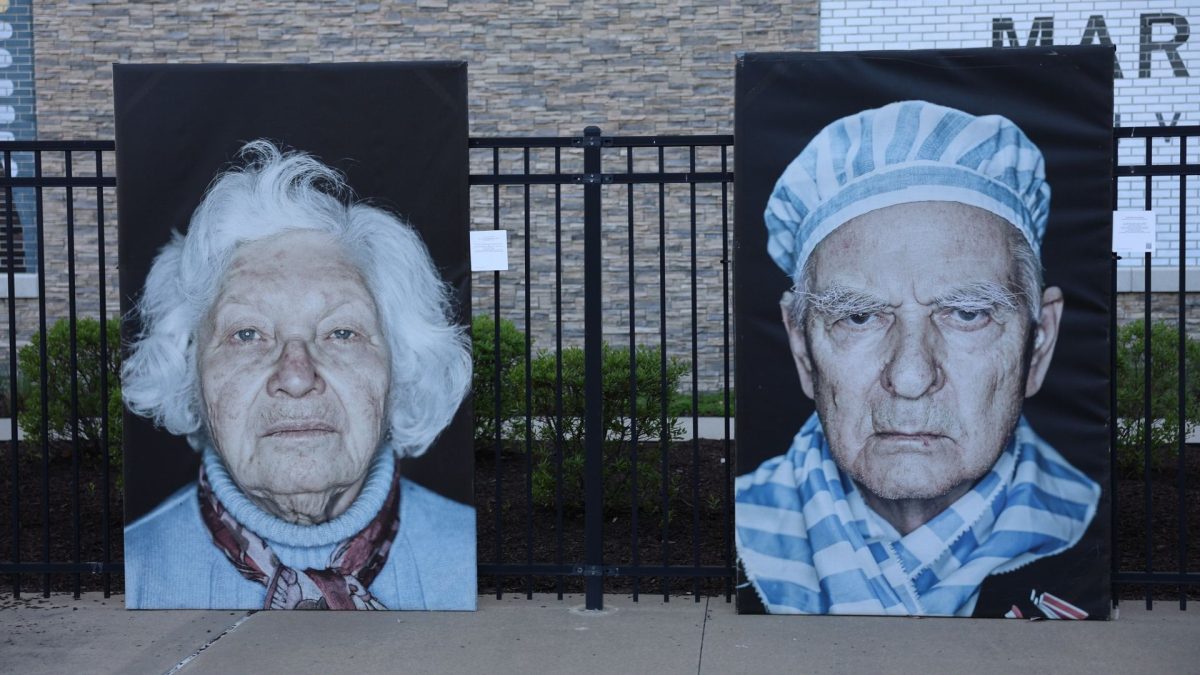
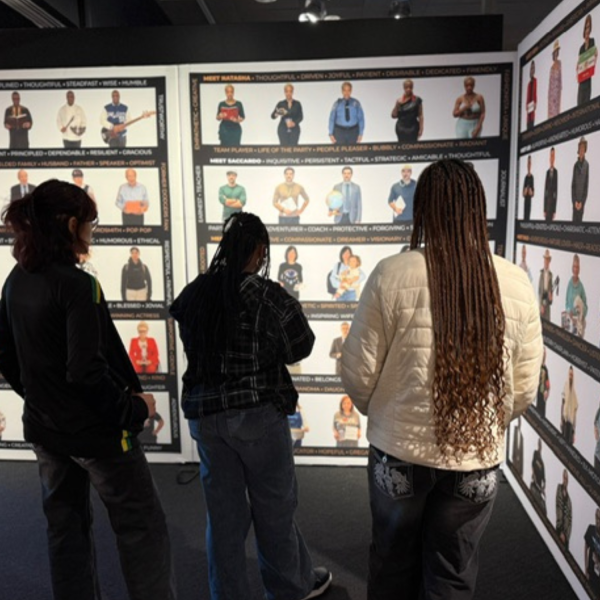
By the time students reach the interactive testimony room, something unusual has already happened: they’ve stopped seeing one another as strangers. They’ve shared pieces of their identities. Studied layered portraits of neighbors and classmates. Asked questions about belonging, bias and community.
So, when students finally sit down to speak with a Holocaust survivor through interactive testimony technology” inside New York’s Museum of Jewish Heritage, the experience lands differently.
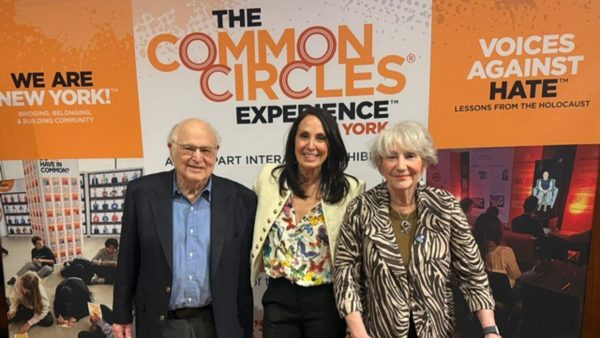
The woman behind that approach, Marla Felton, grew up in Creve Coeur, graduated from Parkway North and says many of the ideas behind Common Circles were shaped years earlier inside the St. Louis Jewish community.
From Creve Coeur to Manhattan
On April 23, Felton’s organization opened “The Common Circles Experience” at the Museum of Jewish Heritage in Manhattan. Developed in partnership with USC Shoah Foundation’s Dimensions in Testimony program, the exhibit allows visitors to engage in lifelike conversations with Holocaust survivor Anita Lasker-Wallfisch and Jewish American liberator Alan Moskin.
ADVERTISEMENT

But reading through Felton’s story, the through-line feels pretty St. Louis: synagogue life, youth groups, arts programs and a Jewish upbringing that emphasized community beyond your own bubble.
“St. Louis was a place where connection was tangible,” Felton said. “Where relationships were built through shared experiences, and where many of the ideas that eventually led to Common Circles really began to take root.”
A Jewish St. Louis upbringing
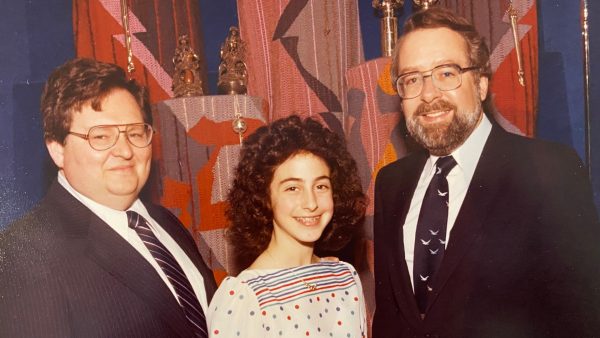
Felton grew up in Creve Coeur and graduated from Parkway North in 1988. She remembers musical outdoor services at Congregation Shaare Emeth, youth-led MoFTY programs, long days at the J and community experiences that made Jewish life feel joyful and connected.
Through youth group, she collected cans and brought them to Peace Park in north St. Louis, where civil rights activist Otis Woodard worked to feed hungry families.
“Being with him made history feel real and immediate, and service feel personal, not abstract,” Felton said. “That experience was foundational for me.”
The turning point
Years later, around her daughter’s bat mitzvah in 2013, Felton said she became increasingly concerned about rising antisemitism and polarization.
As part of the ceremony, her daughter twinned her bat mitzvah with the sister of Holocaust survivor Martin Greenfield, a relative of Felton’s husband, who was murdered during the Holocaust and never had the opportunity to celebrate her own bat mitzvah.
In lieu of gifts, the family explored commissioning a sculpture honoring the 1.5 million Jewish children killed during the Holocaust and hoped to place it in non-Jewish public spaces.
Again and again, the message was the same: beautiful idea, wrong audience.
“That was a turning point,” Felton said. “We realized we needed more than a sculpture — we needed education that could reach broader audiences.”
Felton first conceived the idea for Common Circles in 2013.
Then Ferguson happened.
Like many people in St. Louis, Felton said the unrest following the police shooting of Michael Brown forced her to rethink division, identity and what happens when communities stop seeing each other as human.
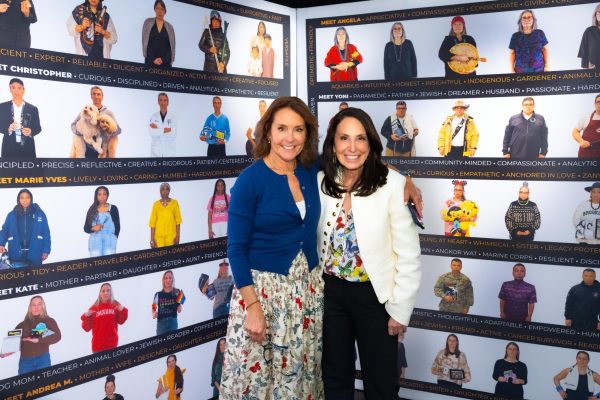
In 2015, she officially launched Common Circles with Sue Spiegel, co-creator and creative director of The Common Circles Experience, an Emmy Award-winning producer and director whose work on projects including “Erase the Hate” helped shape the exhibit’s immersive storytelling approach.
Teaching empathy before history
The organization began working across St. Louis to explore how empathy could be taught through storytelling, games and conversation.
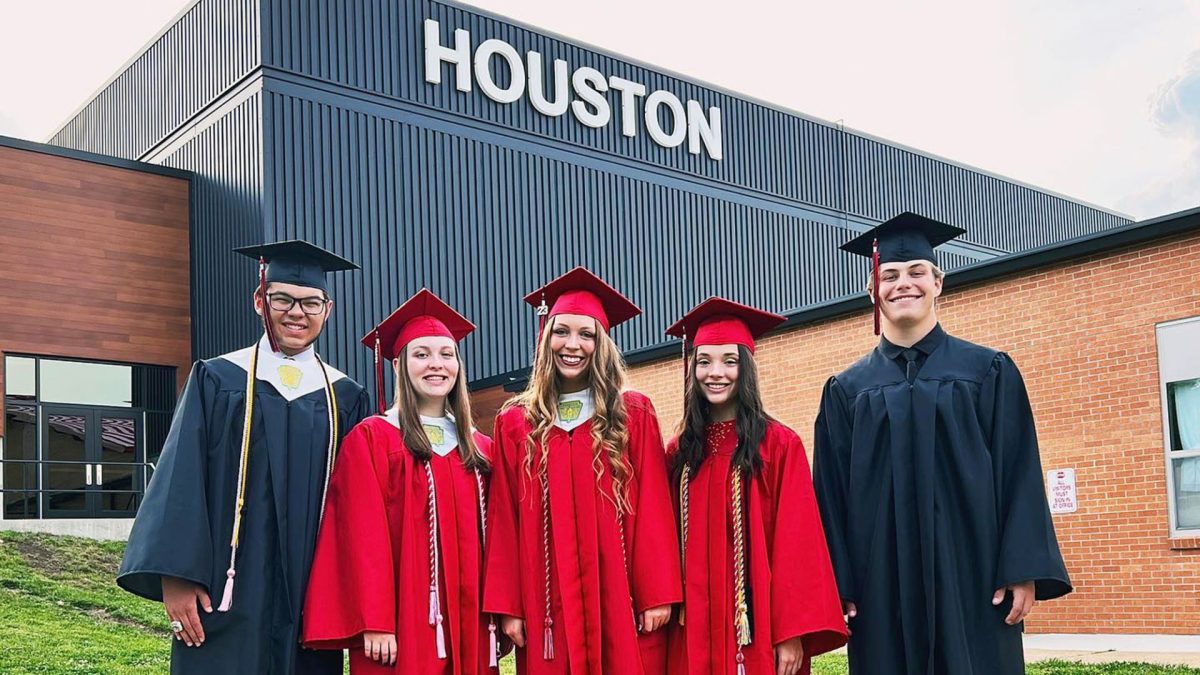
One early project brought together students from seven area high schools for a “game jam,” where they designed empathy-focused games and interactive experiences.
“We were asking: What helps people engage across difference?” Felton said. “What creates the conditions for real understanding?”
Students first examine identity and perception before ever discussing the Holocaust.
“What’s powerful is that we almost never hear students say, ‘You’re wrong,’” Felton said. “Instead, we hear things like, ‘Can you explain to me how you’re seeing it?’”
Only then do students enter the Holocaust portion. And by that point, the walls are already down a little.
Meeting students where they are
Felton says some students arrive skeptical or disconnected from the history.
“We’ve had students come in questioning whether the Holocaust happened or believing it was exaggerated,” she said. “The experience meets them where they are.”
The goal, she said, isn’t just to teach history. It’s to reach students before conspiracy, bias and dehumanization harden into something else.
The project still has strong St. Louis ties. Michael Staenberg serves as a mentor and supporter, while St. Louis-based 503Creative, led by Karen Handelman, helped shape the exhibit’s design.
Felton says she hopes the next chapter eventually brings the project back where much of it began.
“St. Louis shaped everything about this work,” she said. “I really hope that I can bring The Common Circles Experience to St. Louis. Bringing Common Circles back would truly be full circle.”
A Look At Common Circles
ADVERTISEMENT