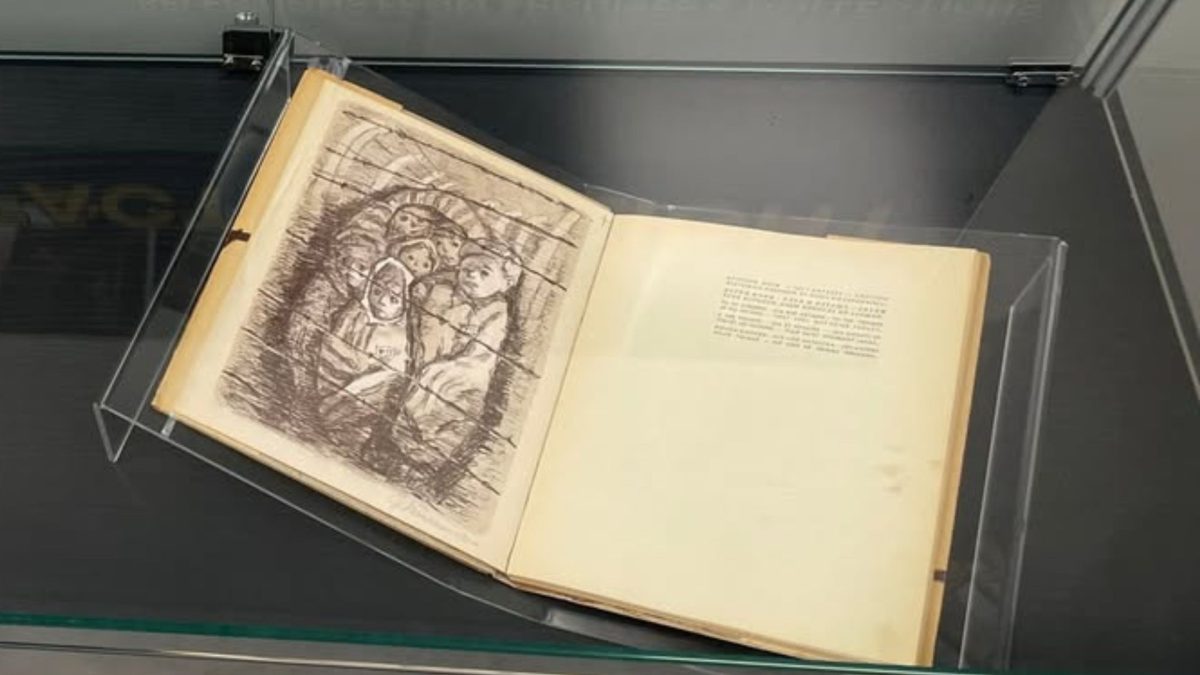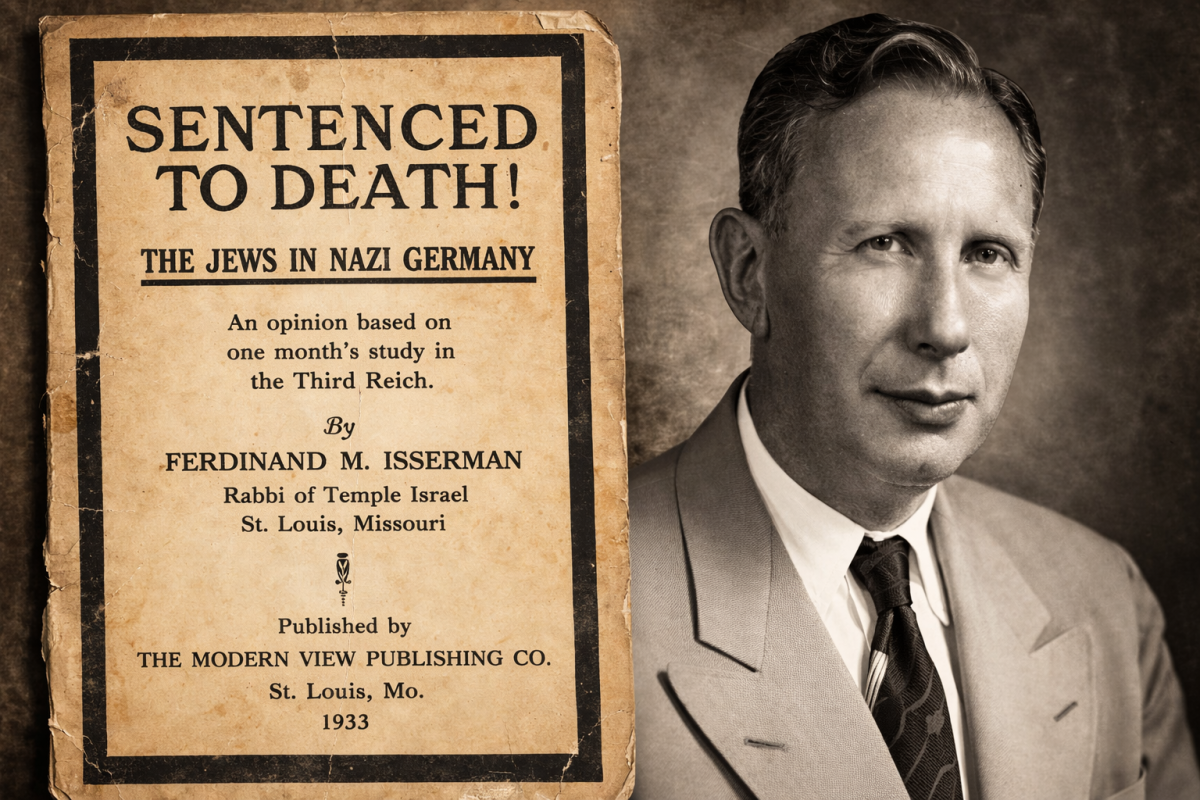

This story is part of The Hidden Museum, a continuing series from the Jewish Light that explores remarkable artifacts held by St. Louis museums. These pieces represent only a fraction of what institutions like the St. Louis Kaplan Feldman Holocaust Museum preserve behind the scenes. Through this series, we surface the stories attached to objects not always on public display and examine how history lives on through archives, artifacts and memory.
A letter, a medal and a promise kept
A hallmark of the museum’s collection is its focus on local stories, grounding Holocaust history in the lives of individuals and families who settled in the St. Louis area after World War II. Many artifacts center on victims and survivors. Others preserve stories that complicate that narrative, including those of witnesses, rescuers and people who chose moral risk over self-preservation.
One such story belongs to Natalia Abramowicz, whose life and actions are documented through archival materials now preserved in St. Louis.
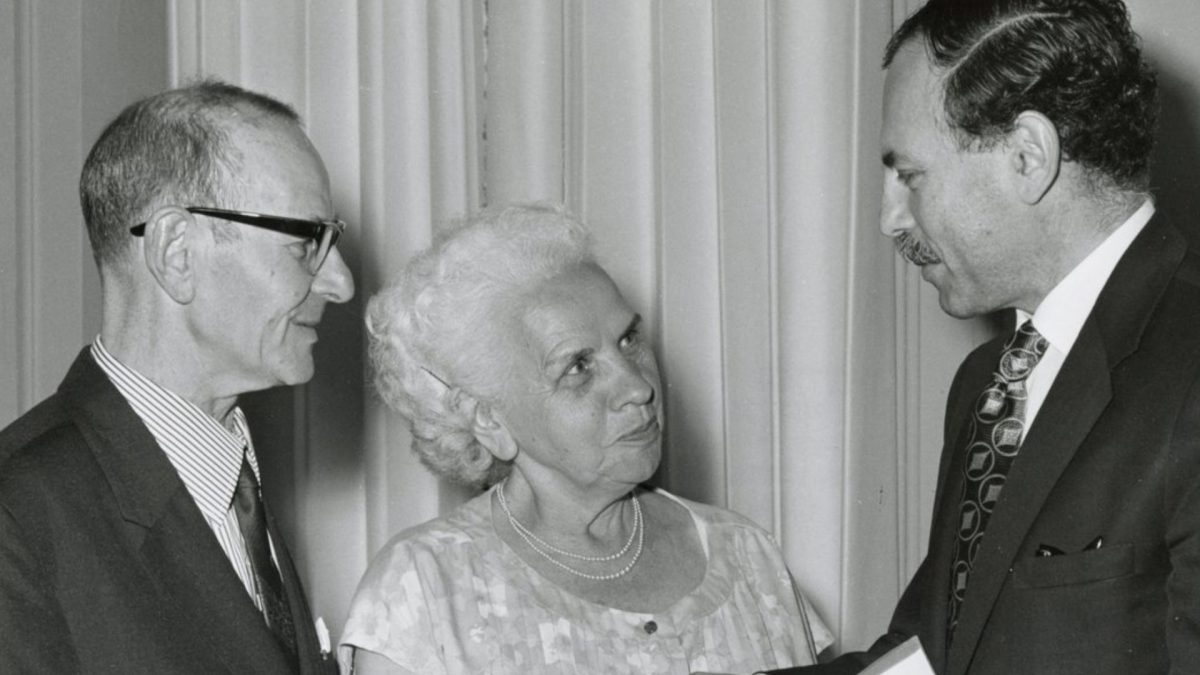
Abramowicz was named Righteous Among the Nations, the honor bestowed by Yad Vashem on non-Jewish individuals who risked their lives to save Jews during the Holocaust. She received the recognition at a ceremony held May 19, 1971, at the Chase Park Plaza hotel in St. Louis.
Her nomination came from Michael Steinlauf, a member of the Jewish family Abramowicz sheltered for nine months in 1943 in her home in Radonsk, Poland. The family survived. Abramowicz did not escape the consequences of her decision.
She was discovered by the Nazis, sentenced to death and ultimately imprisoned for nearly two years in a Nazi-run prison before being liberated at the end of the war.
ADVERTISEMENT
By the time Abramowicz was formally recognized by Yad Vashem, she had been living in St. Louis for 18 years. According to materials preserved in the museum’s collection, her life there was marked by poverty and ongoing violence.
Following the ceremony, the Jewish Federation of St. Louis intervened. Federation leaders arranged financial assistance and medical care and secured a furnished apartment for Abramowicz under a symbolic 10-year lease costing $1. Correspondence documenting that arrangement, including a letter dated May 20, 1971, now sits in the museum’s archives.

The letter is administrative in tone. Its meaning is not.
It reflects a community grappling with how to respond, years later, to extraordinary courage that had gone largely unrecognized and unrewarded.
Additional wartime details about Abramowicz’s imprisonment and movements appear in international documentation compiled by the International Information Center, whose “Memory and Identity” project researches and preserves verified accounts of non-Jewish rescuers during the Holocaust. Those records provide broader historical context, while the St. Louis materials anchor Abramowicz’s story in the city where her final chapter unfolded.
Abramowicz died June 26, 1979. She was 81.

Today, her story survives through more than a medal or a ceremony photograph. Letters, archival records and institutional memory preserved at the Kaplan Feldman Holocaust Museum document not only what she did during the war, but what followed after. Together, they tell a quieter story of rescue, responsibility and what it meant for St. Louis to answer moral courage with care rather than applause alone.
How to donate artifacts
Families who wish to donate artifacts to the St. Louis Kaplan Feldman Holocaust Museum can contact the museum’s Archives and Collections staff to begin the process. The team gathers background information and conducts research before presenting items to the museum’s Collections Committee for approval. Accepted donors sign a Deed of Gift, after which items are cataloged and preserved in the museum’s storage facility.