
(Gabriel Rutenberg)
Is there a Jewish presence in the remote country of Iceland? For most people, the answer will invariably be that they have no idea, and then surprise to learn that the island nation is in fact home to a small but thriving Jewish community.
Located just south of the Arctic Circle and known as the Land of Fire and Ice due to the presence of large glaciers and some of the world’s most active volcanoes, the capital of Reykjavík is home to 300 Jews in a country of about 400,000 people.
The history of the now permanent Jewish community is recent. Despite the fact Iceland recognized Judaism as an official religious organization only in 2021, there has been a sporadic presence beginning as far back as 1625, when Jewish trade merchants are known to have begun to make occasional visits.
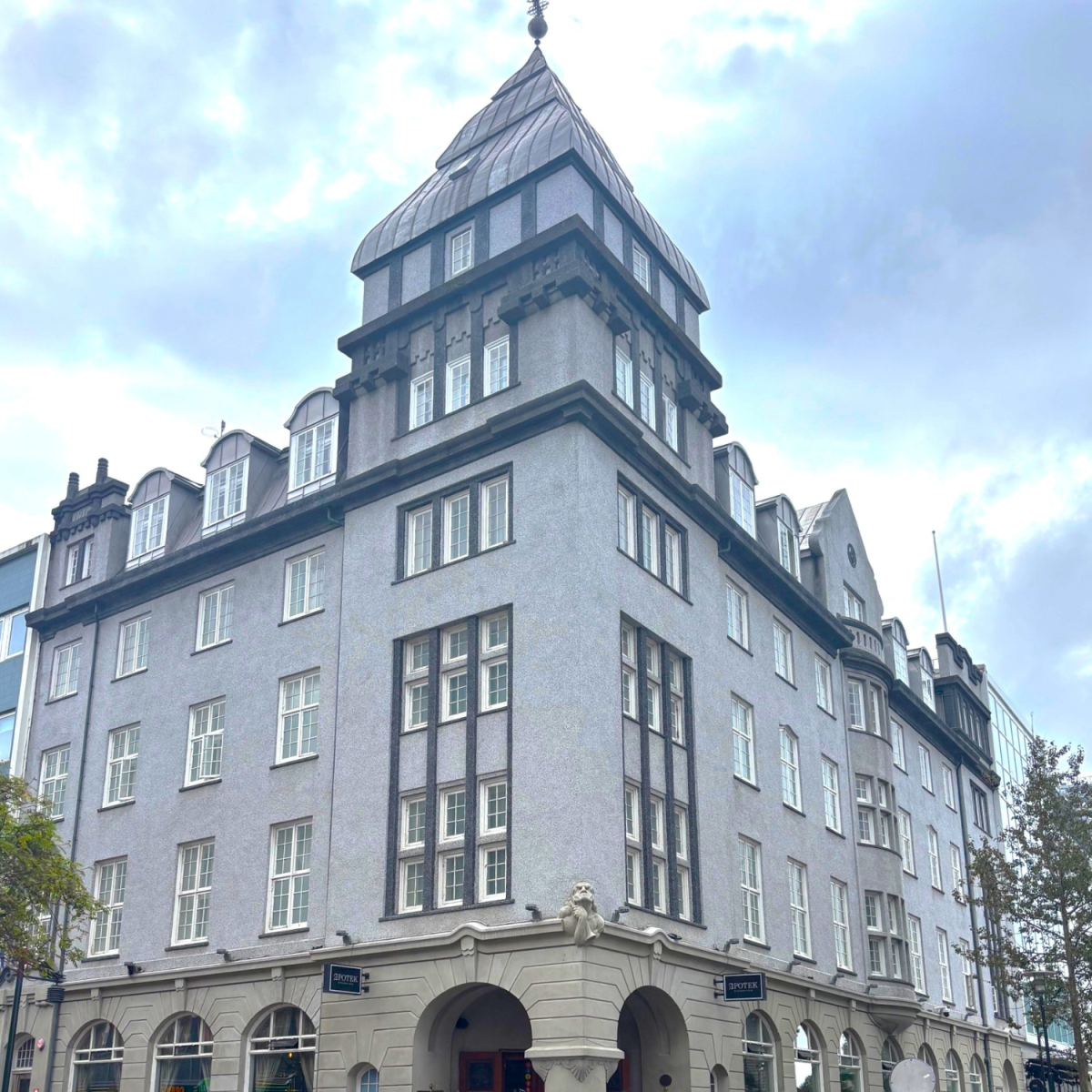
Fritz Heymann Nathan is thought to be the first practicing Jew to settle in Iceland in 1917 when he built a five-story building in Reykjavík. The building was significant for being the first in town powered by electricity, as well as Iceland’s first “skyscraper.” Today, it remains one of the most imposing buildings in Reykjavik.
In the 1930s, refugees from Nazi-occupied Europe settled in Iceland and, in the 1940s, the United States military presence included hundreds of Jews temporarily assigned there.
ADVERTISEMENT
The wife of Ólafur Ragnar Grímsson, the fifth president of Iceland from 1996 to 2016, was Israeli born Dorrit Moussaieff.
In the early 2000s, there were occasional outreach visits to Iceland by rabbis from Chabad to serve what had finally become a tiny but growing community.
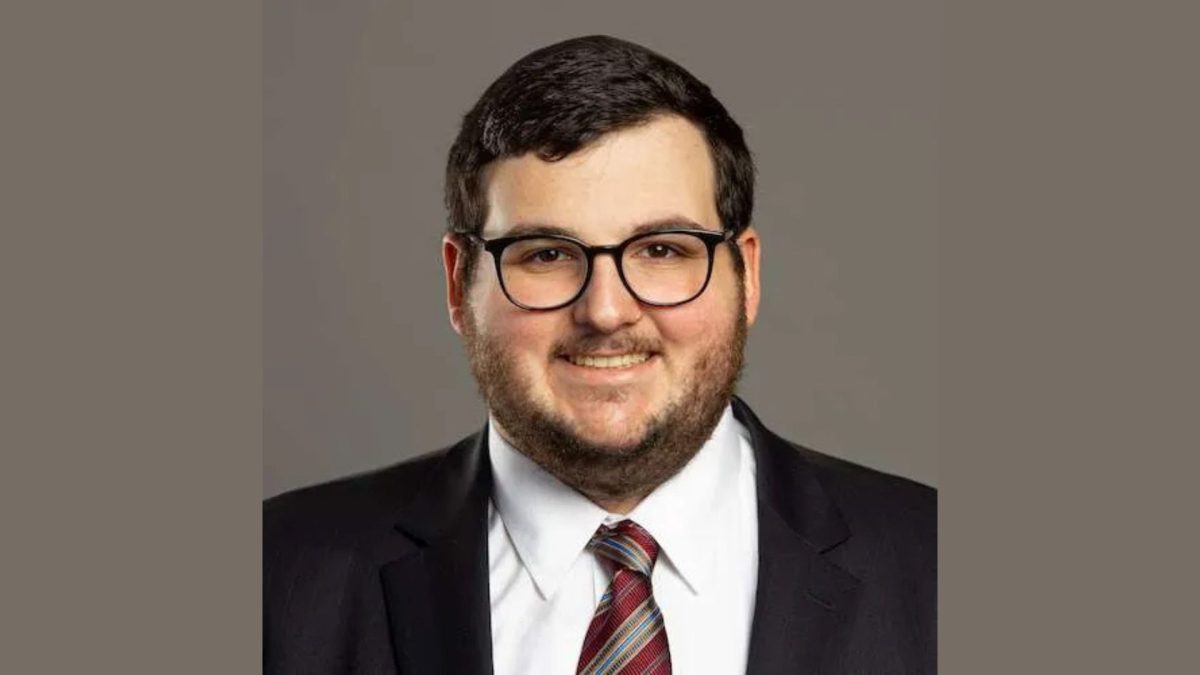
Then, in 2018, 27-year-old Rabbi Avraham Feldman arrived with his wife, Mushky, and two children to become the first permanent rabbi for the small but diverse Icelandic Jewish community.
“There are Icelandic Jews from several generations back, and there are expats from many different countries, as well as Jews who have married Icelandic citizens,” Feldman said.
“Even though the Jews of Iceland come from all diverse backgrounds, everyone enjoys Jewish events where we can celebrate what we have in common. The Jewish Community Iceland — Beit Tovah Chabad is a place where everyone is welcome to explore and experience Judaism in a meaningful and enjoyable way.
“Iceland’s Jews were yearning for a synagogue, for a rabbi, for some sort of a community, and it has been amazing to fill that hole.”
Since Feldman and his wife moved to Iceland, organization and recognition of the small but closely knit Jewish community has progressed at a remarkable pace. After meeting for years in church basements and other rented spaces, a building in Reykjavík was purchased in 2024 and is being renovated for what will be the northernmost Chabad House in the world. It is scheduled to open this year.
The Chabad House will include a dedicated sanctuary, a large function room for Jewish events, space for Jewish child education and activities, offices, and a kosher store and gift shop.
Feldman said there will also be a display case containing three small prayer books donated by early Jewish residents.
“These are the only historical physical remnants of a Jewish presence in the nation,” he said.
Torah commissioned
Ten years before Feldman’s arrival, a small bimah had been built by a local Jewish businessperson in anticipation of the hoped for arrival of a Torah. Then, in 2020 and thousands of miles away in Zurich, Switzerland, Adina Krausz commissioned a Torah as a surprise for her husband Uri’s 50th birthday. She felt donating the scroll to a community that did not have one would be appropriate.
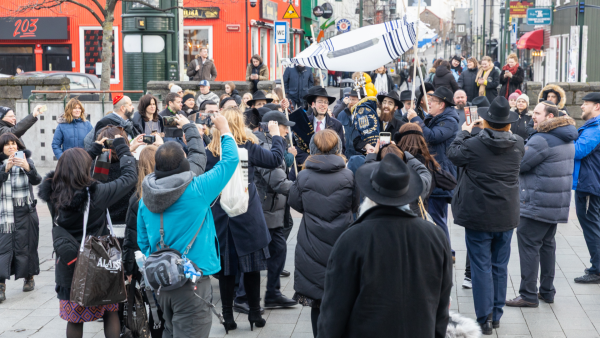
When she learned of Feldman’s presence in Iceland and the lack of a Torah there, she delivered the unfinished scroll to Reykjavík, where the last few words were penned by members of the Icelandic congregation. Afterward, the holy manuscript was joyously held aloft under a chuppah and paraded in an emotional celebration down the main street of town.
The Torah arrived a year before Iceland recognized Judaism as an official organized religion.
“There had been attempts at filling out the required and complicated paperwork before, but the process had never been completed,” Feldman said. “It took two years, but we succeeded. The important thing for us is that with official recognition by the government, we have a sense of pride in being a legitimate organization.”
In addition, Icelanders can allocate $100 of their yearly taxes per person to support a religion of their choice, and recognition has resulted in significant support from the non-Jewish community.
Governmental approval also granted the community legal status to have life-cycle events, such as the right to have a Jewish cemetery and recognition of a Jewish marriage as being valid.
And a menorah is erected
Feldman also has been instrumental in having a 10-foot electrified menorah built and displayed during Hanukkah.
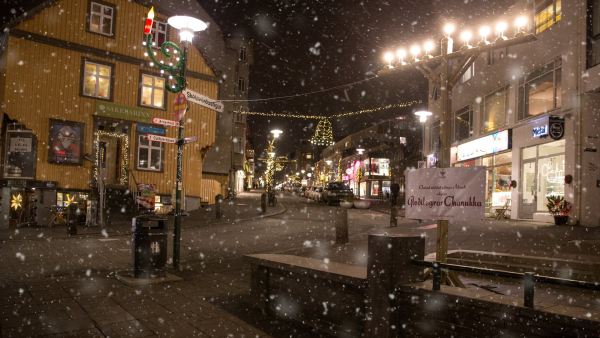
“We sent a letter to the city asking permission to put up a public menorah, and when we did not receive a response, we were concerned it might be ignored,” he said.
A city clerk told Feldman that when they received the request, they were unsure of what to do with it.
“We had never heard of such a thing, and your letter passed from department to department, until it finally made its way to the mayor’s desk. He approved it immediately,” the clerk said, according to Feldman.
“They granted us a space right on the main street of Reykjavík,” Feldman said. “We couldn’t have asked for a better location.”
The next year, the mayor attended the lighting and pledged there would always be a public menorah in Iceland.
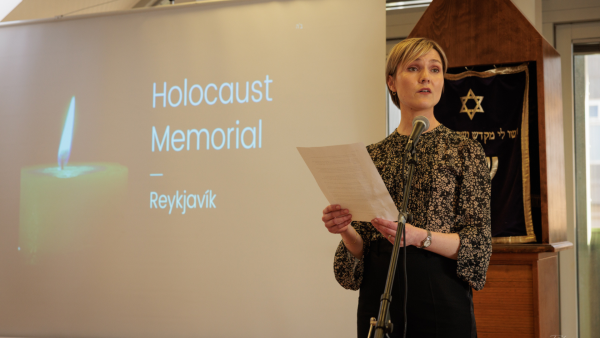
Early last year, Feldman met Icelandic Prime Minister Kristrún Mjöll Frostadóttir shortly after she took office. Describing their initial conversation as “remarkably warm and comfortable,” he extended an invitation to her to speak and stand in solidarity with Iceland’s Jewish community on International Holocaust Memorial Day on Jan. 27, and she did. In her remarks, she said:
“At the heart of this remembrance lies the profound call to empathy and kindness, to recognize our shared humanity in one another.”
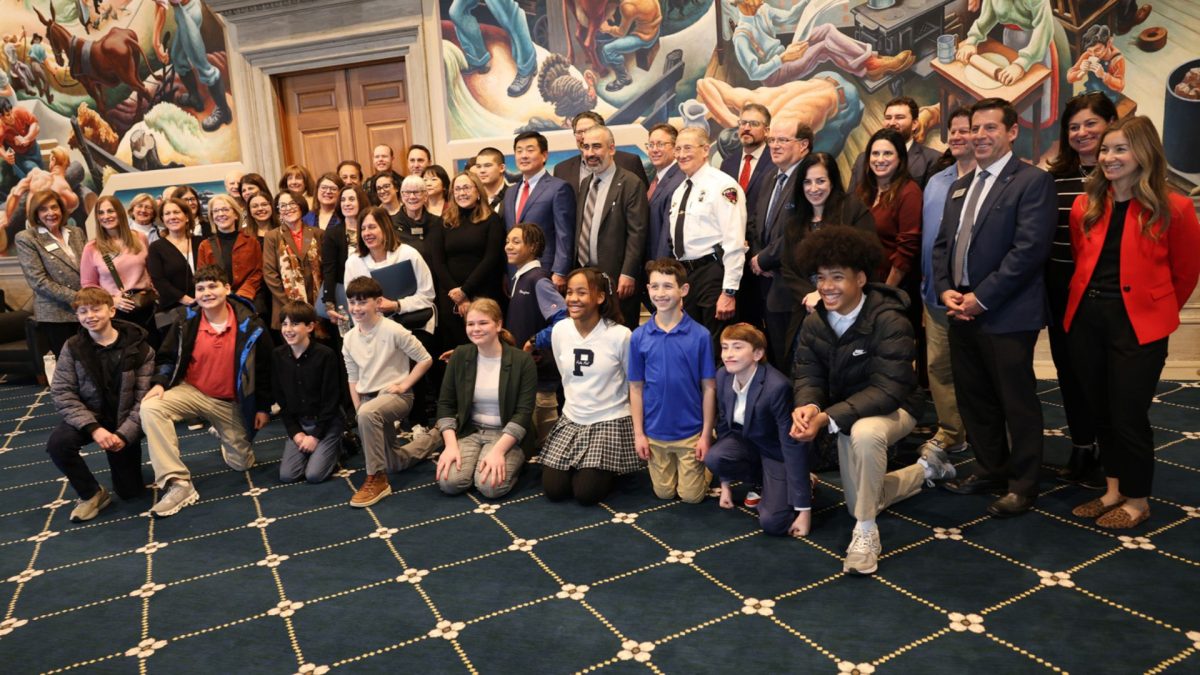
Frostadóttir’s speech occurred on the sixth year Feldman organized the Holocaust Memorial Day event, which, in addition to the prime minister’s presence, featured speeches from the German, Polish and U.S. ambassadors to Iceland.
Observing Judaism in Iceland is different
There are unusual aspects to practicing Judaism just below the Arctic Circle.
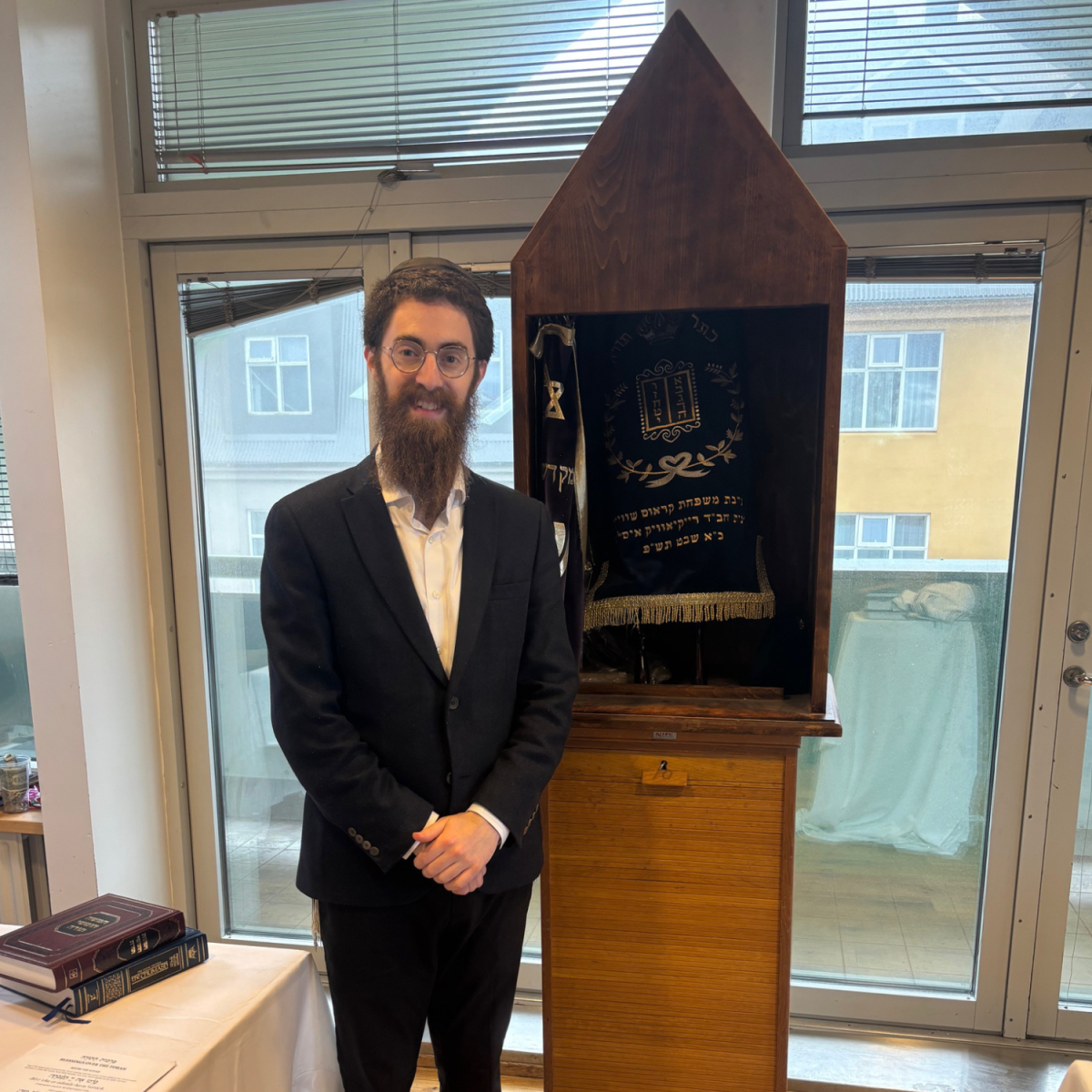
“Iceland is the land of the midnight sun, and this creates epic Shabbat and Shavuot experiences,” Feldman said. “You start Shabbat well after midnight in the summer when it is light for almost 24 hours, and in the early afternoon in the winter when it is light only a few hours a day.”
There are plans to establish a mikvah in Reykjavík to replace use of an isolated and remote natural hot spring that takes a a 90-minute drive and then a 10-minute walk over volcanic rock to reach.
“It is quite an adventure, especially in wintertime, but luckily, once you get inside, it’s hot,” the rabbi said.
While keeping kosher can be challenging, some local products can be purchased, but most are imported by sea. However, Iceland is famous for its fish, which are easily accessible.
The geology of the land also presents a unique opportunity for Jewish prayers. Recently, speaking in front of the Fagradalsfjall volcano as it spewed orange lava through crevices in the black igneous rock, Feldman created a video that expressed how the wonder of creation makes us stop and think of the world we live in.
“We think about the artist who created all of it,” he says in the video. “So, we make a blessing together, and this blessing is about God’s power and God’s strength, which we feel even more when we see a sight like this.”
Antisemitism in Iceland
Despite Feldman’s remarkable success at establishing a recognized community and building a Jewish spirit, there is a lengthy history of antisemitism in Iceland, beginning even before there was a Jewish community.
While a few Jews settled in the country as refugees during World War II, others were turned back and perished in concentration camps. More recently, anti-Israel sentiments have been expressed by some government officials.
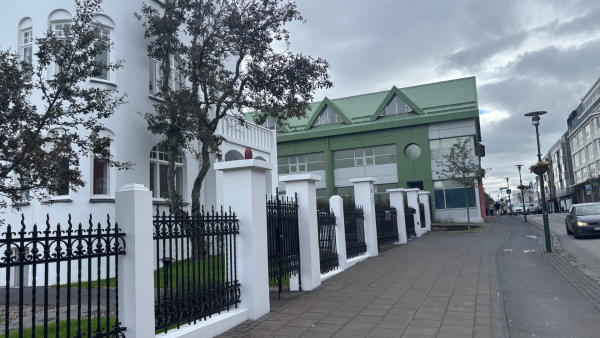
One member of the Iceland’s Chabad House who did not want their name used in this article, spoke in hushed terms when talking about antisemitism in Iceland during an interview in a restaurant.
“I lost a job when my boss found out I was Jewish,” he said.
Yet, Feldman is making a positive impact in the northernmost capitol in the world. Universities invite him to speak about Judaism, and local media interview him about his religious lifestyle.
In fact, he has become somewhat of a local celebrity, easily recognized in public dressed in dark clothing, wearing a full beard, a black skullcap and the traditional knotted tzitzit.
What Feldman has accomplished in eight years in Iceland exhibits the determination that has sustained Jewish communities in unlikely places for millennia.
| RELATED: Icelandic Jewish cookies: A dessert with a fascinating story to tell