
This story is part of “The Mezuzahs of St. Louis,” an ongoing series exploring the small sacred objects hanging quietly across our community, in homes, schools, synagogues and gathering places. Together, they tell the story of Jewish St. Louis, one doorway at a time. Do you have a Mezuzah story to share?
Most art becomes less valuable when people touch it.
At the Jewish Community Center’s Marilyn Fox Building in Chesterfield, the opposite is true.
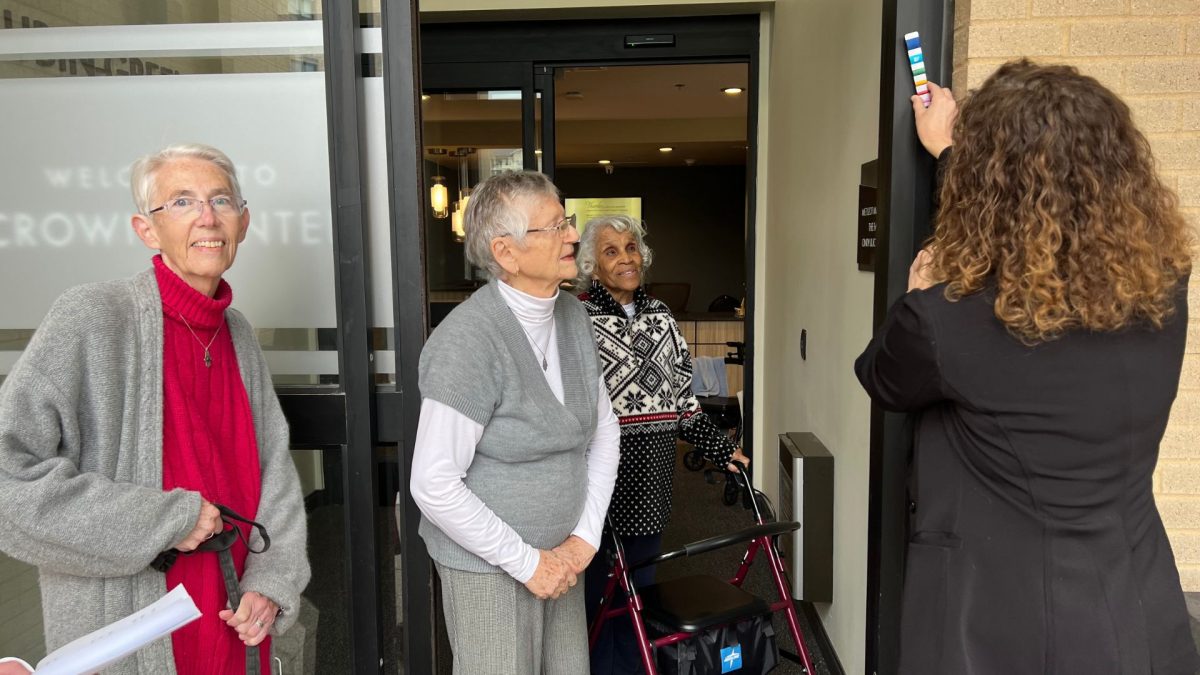
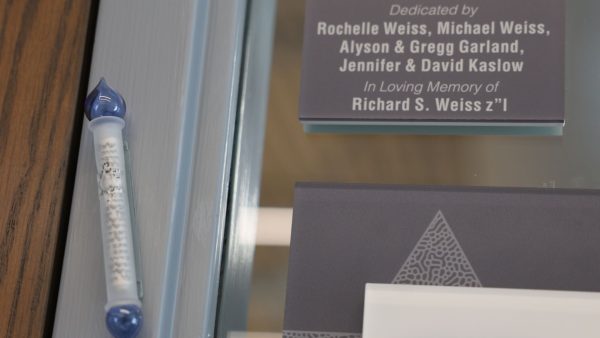
The more people who touch David Alper‘s glass mezuzahs, the more visible the Hebrew blessing inside becomes. Over time, oils from fingertips slowly change the appearance of the frosted glass, revealing the scroll beneath.
That’s exactly what Alper hoped would happen.
Designed to be touched
When the J began planning the renovation of the Fox Building, leaders wanted more than updated spaces. They wanted Jewish identity woven into the building itself.
Rabbi Brad Horwitz, the J’s chief engagement officer, said the vision was to create mezuzot that reflected both Jewish tradition and the character of the community.
“The mezuzah is a powerful reminder of our values every time we pass through a doorway,” Horwitz said.
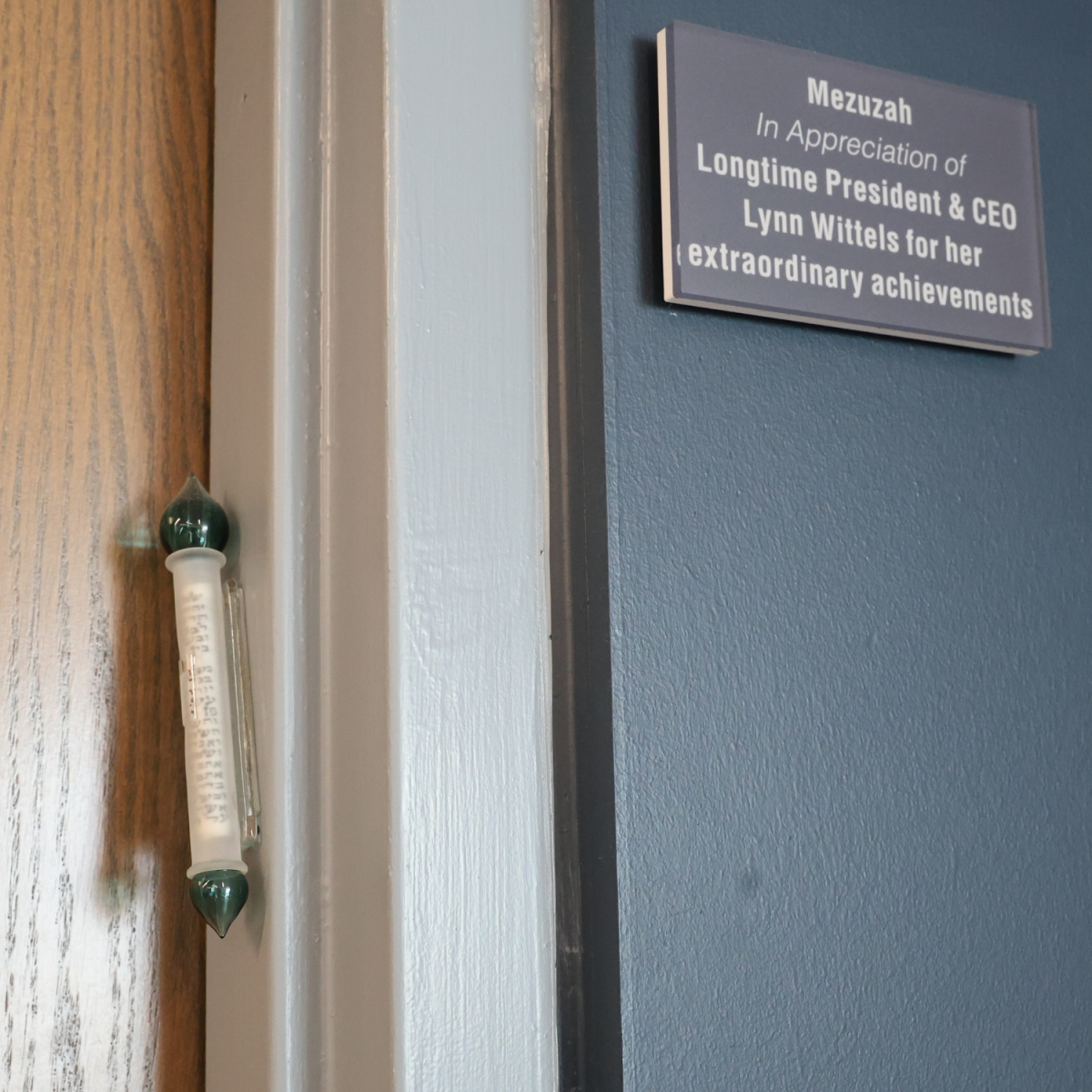
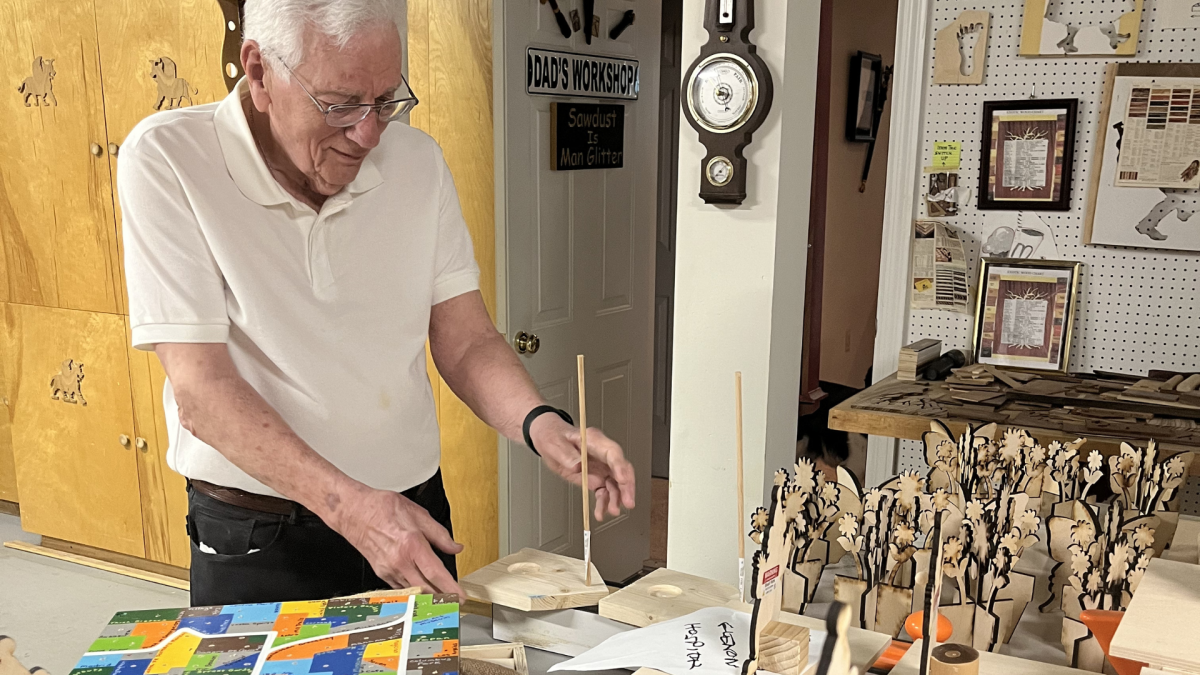
The J worked with its design team and Alper, a St. Louis glassblower, artist and longtime J member, to create custom mezuzahs for the building. Alper ultimately produced 70 pieces, with 55 installed throughout the Fox Building. Others were presented to donors and key participants in the project.
Many of the mezuzahs were dedicated by families and donors, turning them into both ritual objects and tributes to people who helped shape the J’s history.
“I met with the designer to make sure I understood the goals and color palettes, and what the new spaces would look like,” Alper said. “They wanted a modern, crisp look, and these mezuzahs adhere to those qualities with the smooth tapered glass design and use of color.”
Their shape was intentional.
“Their form evokes the shape and feel of a Torah scroll handle,” Horwitz said.
That symbolism wasn’t accidental.
“That symbolism absolutely inspires me,” Alper said. “And it is that symbolism that drove me to this design initially. I always wanted to create something beautiful, yet also safe and sacred, to carry the scroll.”
What glass reveals
At first, the Hebrew scroll inside Alper’s mezuzahs isn’t easy to see.
Then people begin touching them.
“When you touch it, the oils on your skin transfer to the glass and actually make the translucent glass become more transparent,” Alper said. “The result is that you can not only see the visible change in color where it was repeatedly touched, but also that you can now see the Hebrew on the scroll much more clearly.”
In other words, the blessing becomes more visible through use.
Like the mezuzahs themselves, Alper sees glass as both delicate and resilient.
“Yes, it’s delicate, and yes, it can break, but it is also a very resilient material, one that has been broken down and rebuilt under immense heat and pressure,” he said.
Horwitz said the mezuzahs serve as both ritual objects and welcoming symbols.
“For Jewish members, the mezuzah is a familiar and comforting sign, a reminder that they are entering a Jewish space,” he said. “For non-Jewish members, it serves as a welcoming invitation into our values and traditions.”
Evidence of Jewish life
The project carries a personal meaning for Alper, who makes mezuzahs, yads and menorahs professionally.
“I grew up at the J, attended J camps and played youth sports there,” Alper said. “Now my family and my kids get to experience the J. It feels really full circle and is an absolute honor to have my artwork featured in such a meaningful, lasting way.”
Alper said the gradual wear on the mezuzahs reminds him of a story about one of his mother’s neighbors.
“My mom had a neighbor who used to talk about the ‘patina of life.’ She didn’t worry about protecting her dining room table from scratches and marks because those signs of wear meant the table had been used and loved. I see these mezuzahs the same way. Every fingerprint and every change in the glass tells me people are interacting with them. That’s exactly what they’re supposed to do.”
And that’s what makes these mezuzahs different from most works of art.
They weren’t created to stay pristine.
They were created to become part of people’s lives.