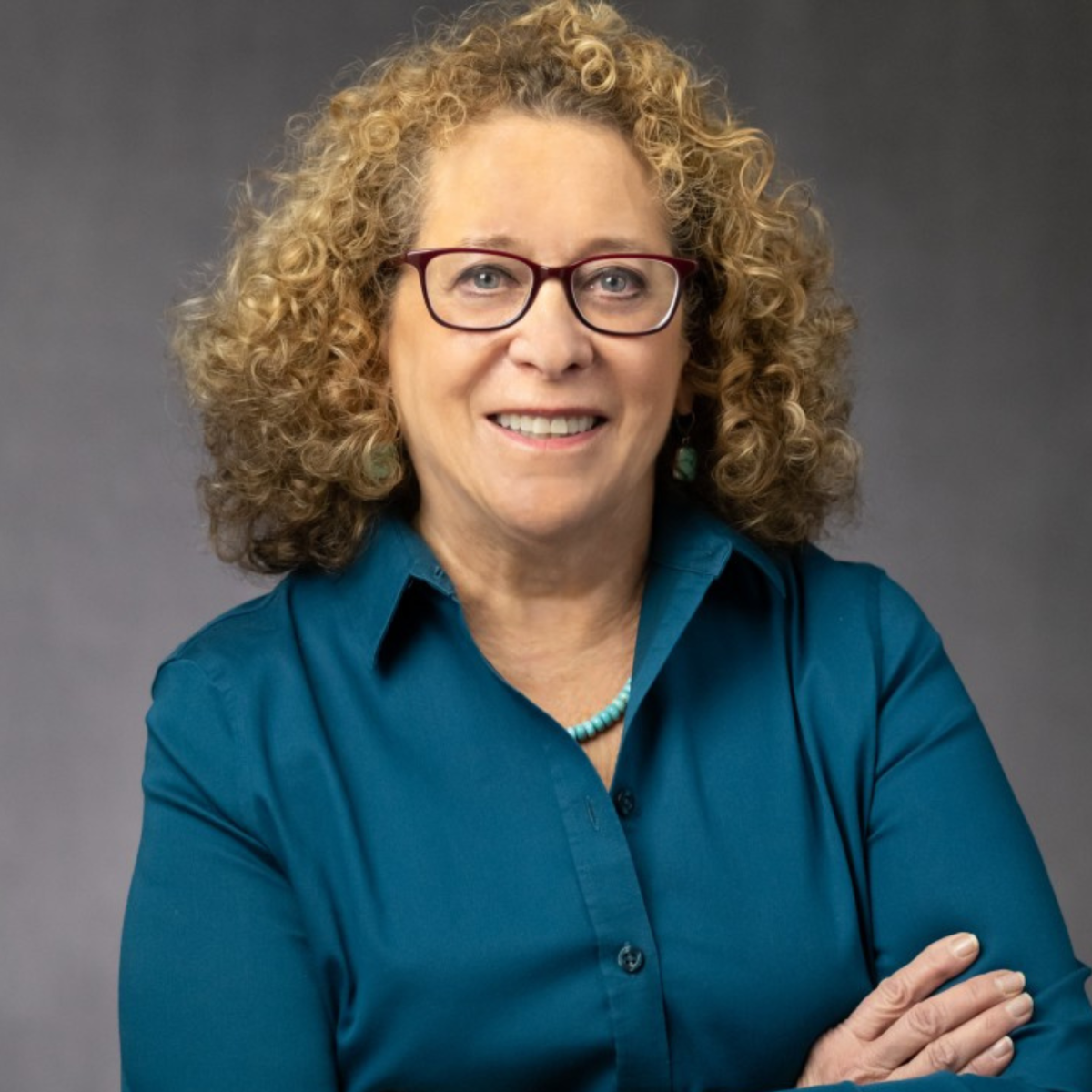


Risa Zwerling stood before the crowd and read slowly, in a measured rhythm.
“My life might not be altered in a tragic way,” she said, “but it is certainly impacting my emotional self by injecting my retired, carefree days with anger and sadness.”
Zwerling spoke in the wake of the shootings of Alex Pretti and Renee Good — two anti-ICE protesters killed by federal agents in Minneapolis — addressing the deep sense of grief and outrage gripping communities nationwide.
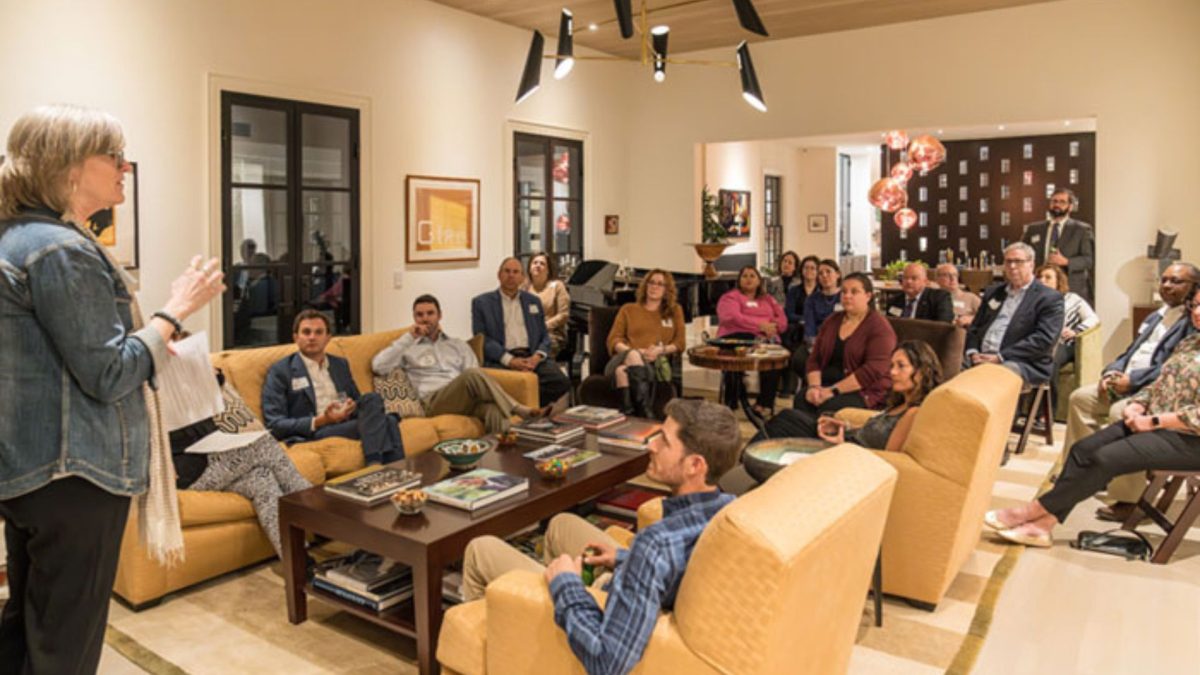
On Jan. 28, Central Reform Congregation (CRC) held a special congregational town hall to grapple with what had happened and to consider how the St. Louis community should respond if a similar immigration enforcement operation were to occur locally. The meeting drew members eager to reflect, voice concern and discuss collective action in the face of escalating tensions around federal immigration enforcement.
ADVERTISEMENT

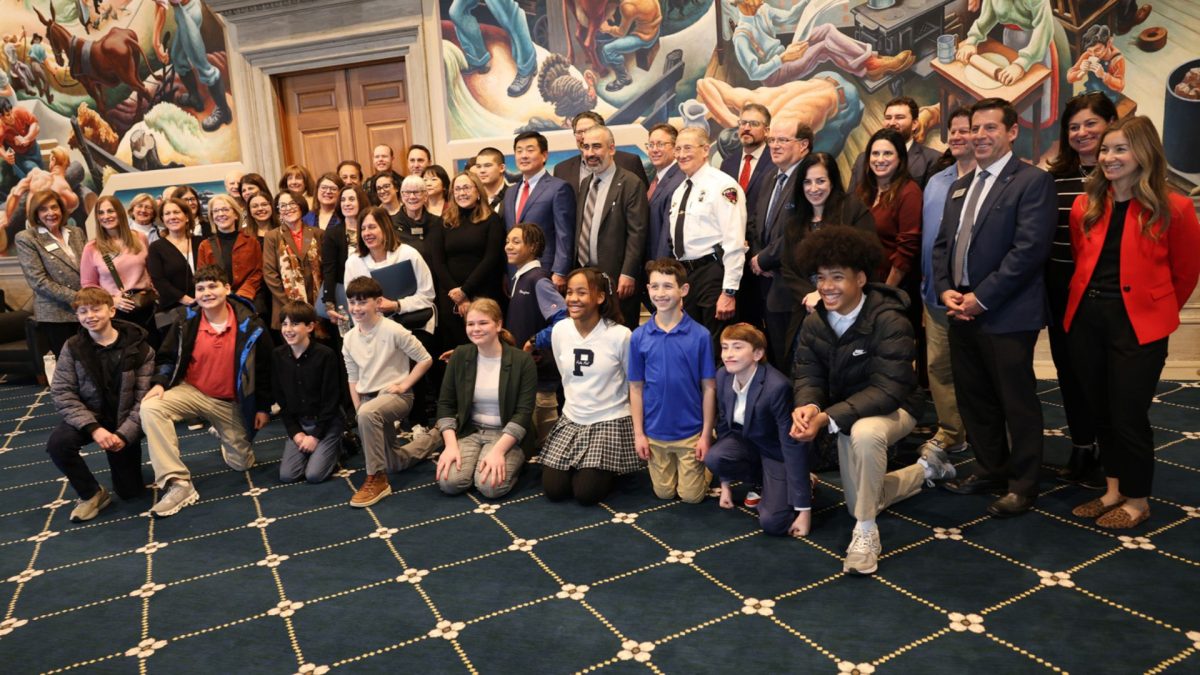
Around 70 people attended the meeting in person, and 40 more tuned in online. From the outset, the question wasn’t whether CRC would respond, but how. Congregants used the session as a brainstorming forum, proposing actions such as letter writing, drafting an official CRC statement, compiling a list of immigration attorneys, organizing demonstrations, memorializing Good and Pretti and even offering to patrol schools in case of an ICE raid.
All three CRC rabbis and members of the board said they would sift through the list of proposed actions together to determine which would be the most feasible for the congregation to take on.
CRC Rabbi Randy Fleisher said he was discussing the potential for an upcoming interfaith demonstration in St. Louis with other clergy leaders. He called the “unnecessary governmental invasion” in Minnesota an assault on human values that go beyond Judaism, and said Jews had an obligation to respond.
“I admit it is tempting at times to ignore that imperative, to think about stepping away, but this is not a time to step away or turn away,” he said.
Table discussions centered on potential risks and specific actions CRC could take. Some congregants shared stories of people they knew who had been deported and/or were at risk. One member described in a shaky voice how seeing pictures from ICE detention facilities made her think of the concentration camps during the Holocaust.
“I’m scared to hell about what’s happening in those detention camps,” she said.
Members were resolute in their commitment to take action by leveraging existing connections and relationships. Many cited the actions of everyday Minnesotans who came together and resisted ICE.
Philip Deitch, a CRC congregant and 2016 Jewish Light Unsung Hero, shared a story from a recent drive from Jefferson City. He thought he saw an ICE vehicle at a small-town police station. After calling, the chief told him there was no ICE presence in the area. Deitch realized he had mistaken the word “POLICE,” written in capital letters on the back of the car, for ICE.
The chief said that he and town residents were conservative but would “never target anyone in our community using ICE,” underscoring how a police chief with political views in favor of ICE is now morally opposed to it.
Attendees reacted with contentment to the story, as if they were expecting a different response, and seemed even more empowered to take action.
“If the immigrant community can be targeted, certainly from our experiences as Jews, we know where the targeting can eventually lead,” Deitch said. “If we don’t stand with people being targeted now, then there won’t be anyone left to stand with us.”
CRC Rabbi Daniel Bogard spoke directly about the importance of protecting the stranger in Judaism, a commandment repeated roughly 36 times in the Torah. He highlighted how that specific commandment is the very first thing God says to the Israelites after they cross the Red Sea out of Egypt. =
“It is a moral logic that goes against how humans work,” Bogard said. “Those terrible things which have happened to us do not give us special privileges, they create unique obligations.”
Bogard explained that while there are several translations for the word “stranger” in the Torah, at its core, the text is talking about undocumented immigrants.
Rodger Lewis is the CRC representative to the St. Louis Jewish Community Relations Council (JCRC). He especially appreciated hearing the rabbis tie the current moment to Jewish teachings, namely, like protecting the stranger.
“If this is the most repeated admonition, then who are we if we do not follow that?” he said. “What kind of people are we if we don’t honor that commandment to protect the oppressed?”