For nearly a decade, Ignite Young Jewish Professionals carved out a distinct place in St. Louis Jewish life, creating space for learning, Shabbat and community among young adults navigating post-college life. Now, the organization has entered its next chapter, reemerging as Olami St. Louis and formally affiliating with a global Jewish education network that connects young professionals across cities and continents.
The shift is more than a name change. For Rabbi Avi Roberts, who co-founded the group with his wife Shani in 2017, it reflects years of quiet partnership evolving into something more intentional.
“We’re still the same people serving the same St. Louis community,” Roberts said. “What’s changed is the scale of opportunity and the level of connection our participants now have beyond the city.”
From Ignite to Olami St. Louis
Olami, an international foundation that has supported Jewish education since the 1980s, has traditionally focused on campus-based Jewish life. In recent years, it has expanded more deliberately into young professional communities, responding to what leaders describe as a growing need after graduation.
“Jewish identity formation doesn’t end at commencement,” said Gidon Shoshan of Olami’s national leadership. “Young professionals are still searching for meaning, connection and community. We wanted to build a framework that helps them feel connected not just locally, but to something much larger.”
St. Louis was among the first U.S. cities invited to formally adopt the Olami name, a decision Shoshan said was rooted in both history and trust.
ADVERTISEMENT

“St. Louis is small, but strong,” he said. “It has deep Jewish roots, strong institutions and a real sense of pride. We’ve admired the work Shani and Avi Roberts have been doing for years, and this affiliation felt like a natural next step.”
Why Olami St. Louis Ignite went global
That expanded sense of connection was on full display late last month, when participants from Olami St. Louis joined peers from Chicago on a journey through Italy, tracing more than 2,000 years of Jewish history in cities including Florence, Pitigliano and Rome.
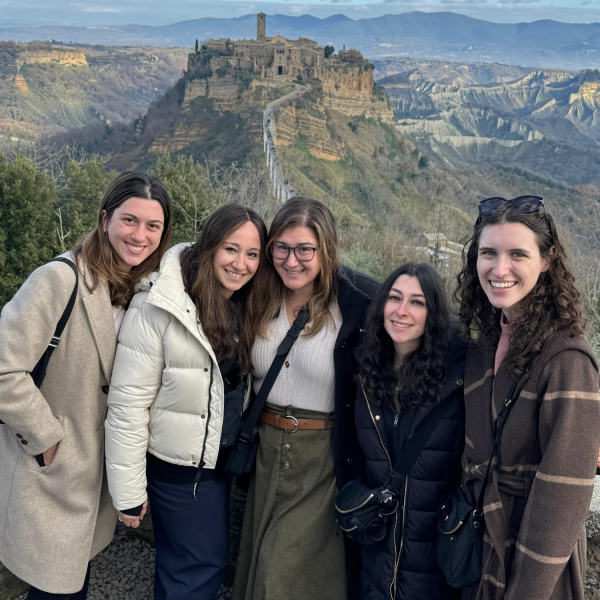
What might have been a heritage trip quickly became something more immersive. In follow-up interviews conducted by email after the trip, several participants reflected on how the experience reshaped their understanding of Jewish history and identity.
For Olami’s leadership, that kind of immersion is precisely the point.
“A family goes away together to deepen bonds and create shared memory,” Shoshan said. “These journeys create space, away from daily distractions, to focus on Jewish identity, learning and connection. When people experience history together, it becomes personal.”
When Jewish identity becomes lived, not learned
That sense of depth resonated with participants.
“Traveling with a group like Olami St. Louis allows you to connect with Jewish history in a much deeper way than local programs alone,” said Alan Morgensztern, a St. Louis participant in the Italy journey. “Seeing how our ancestors persevered to maintain the same traditions and prayers we practice today changes how you understand what it means to be Jewish.”
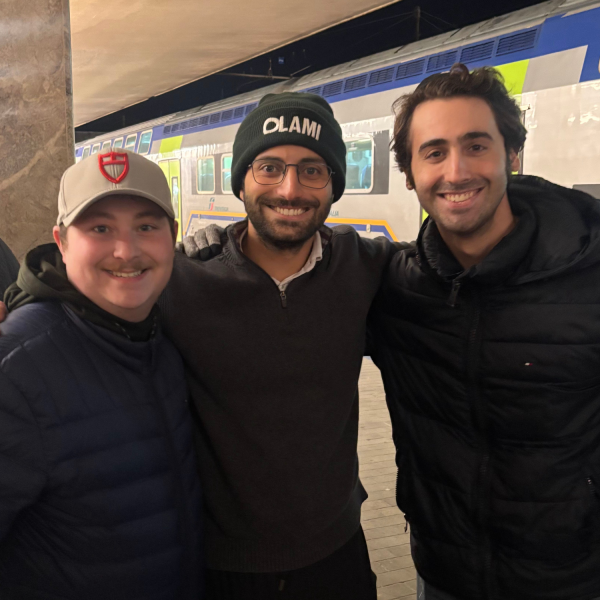
For Shawn Pernik, that realization crystallized inside the Colosseum in Rome.
“The moment history became personal for me was walking into the Colosseum,” said Pernik. “When I learned it was built in part with Jewish slave labor, it stopped feeling like just another historical site.”
Pernik recalled sharing that discomfort with one of the rabbis on the trip, who reframed the moment in a way that stayed with him.
“He said, ‘This is our victory lap. We’re still here and they’re long gone,’” Pernik said. “In that moment, I felt immense pride to be Jewish.”
Other participants described similar shifts, not only in what they learned, but in how they understood their own Jewish lives.
“Before the trip, I felt connected to Judaism but didn’t know how to apply it,” said Meira Silverman. “Afterward, I understood what it means to live a Jewish life every day, especially as a Jewish woman.”
A local community with global reach
Back in St. Louis, Olami leaders say the affiliation is already reshaping what young Jewish professionals can expect: expanded programming, greater access to national and international experiences and a clearer sense that their local community is part of something far broader.
Participants said the opportunity to experience Jewish history together, outside the classroom and away from daily routines, gave the trip a lasting impact.
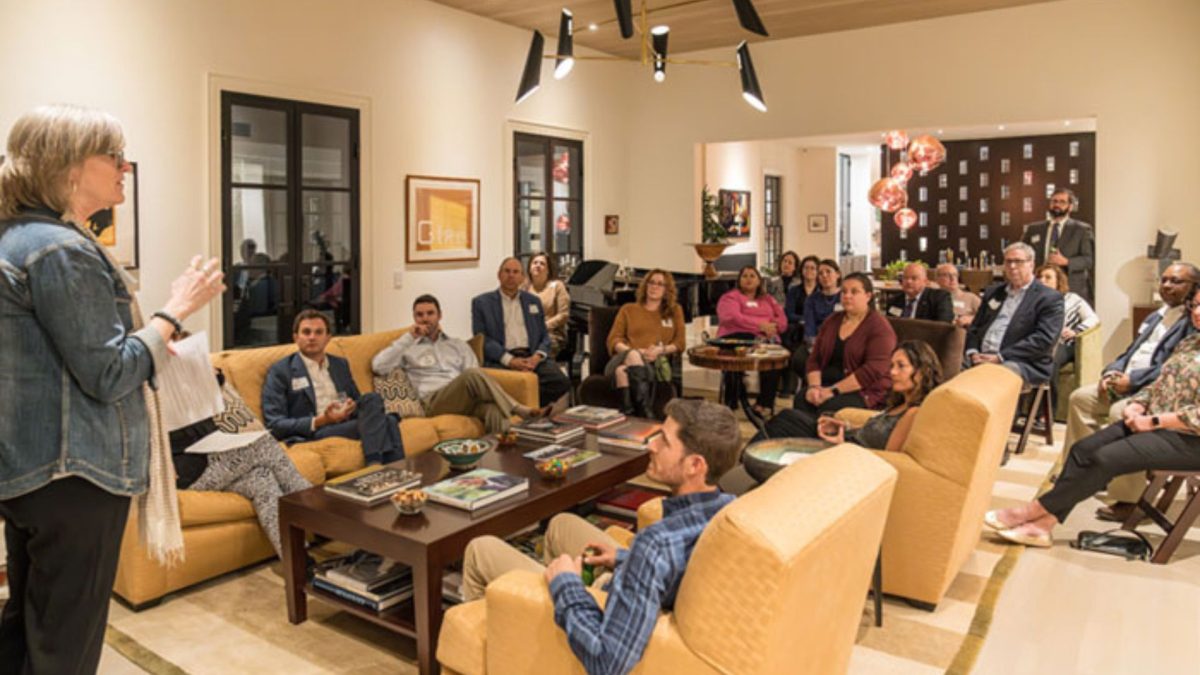
Olami St. Louis programming is geared toward Jewish young professionals generally in their 20s and early 30s, with events ranging from classes and Shabbat gatherings to national and international trips. Interested participants can learn more and register for upcoming programs through the organization’s website.
“We want people here to feel the warmth of a familiar community,” Roberts said, “while knowing they’re connected to Jewish young professionals all over the world.”