
A powerful documentary about resilience in the face of antisemitic violence will air on public television next week, offering viewers a timely look at how one American city confronted hate.
When it airs
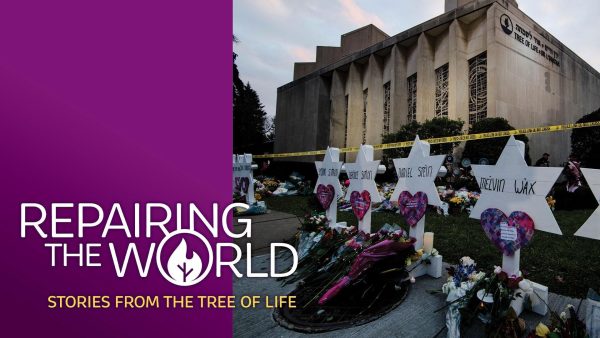
“Repairing the World: Stories From the Tree of Life” will air on Nine PBS World (KETC) on Monday, Dec. 22 at 7 p.m. and again Tuesday, Dec. 23 at midnight, with additional broadcasts on PBS World Channel through Dec. 28.
After the attack
The film examines how Pittsburgh responded after the 2018 massacre at the Tree of Life synagogue, the deadliest antisemitic attack in U.S. history. Rather than focusing on the shooter, the documentary centers survivors, families and community leaders grappling with grief, accountability and how to move forward together.
The filmmaker
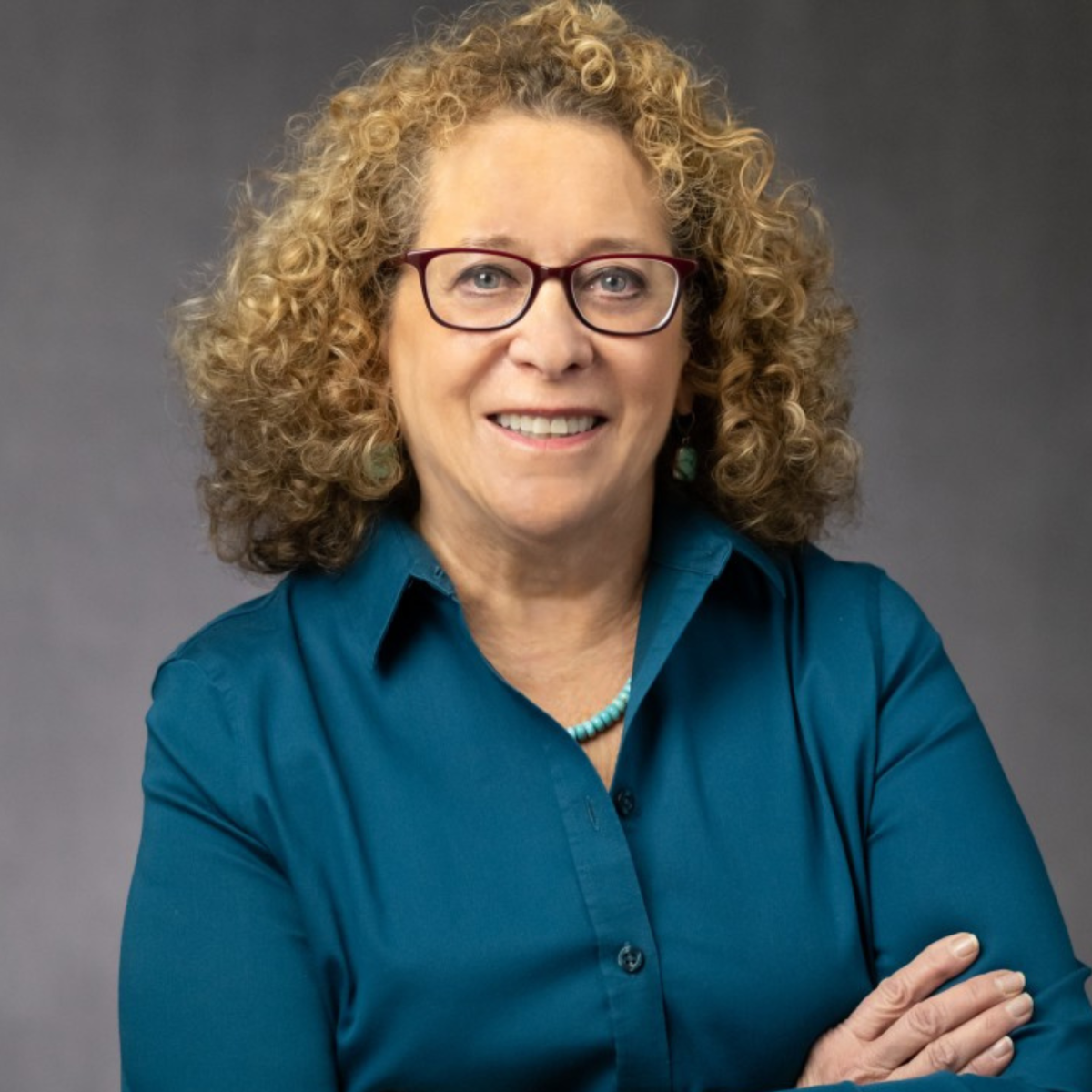
The film was directed by documentary filmmaker Patrice O’Neill, with reporter Charene Zalis, and follows the months and years after the attack, documenting how the Jewish community and the broader city came together in ways that reshaped relationships across faith and civic life. O’Neill grew up in Berkeley and attended Berkeley High School before beginning her journalism career at Florissant Valley Community College. She now lives in Oakland, California.
“I’ve been waiting for my family members and friends to see this film,” she said. “If they missed it during the first broadcast, they haven’t seen it.”
ADVERTISEMENT

A larger project
“Repairing the World” is part of O’Neill’s “Not In Our Town” series, a nationally recognized body of work documenting communities that confront hate together. The project traces its roots to a 1995 PBS broadcast about Billings, Montana, where residents flooded their windows with menorahs after a brick was thrown through a Jewish family’s home.
That approach, focusing on response rather than terror, guided O’Neill’s work in Pittsburgh.
“There is inherent drama in how we care for each other,” she said. “Filmmaking can be lazy if it only relies on violence.”
Standing together
One of the film’s most striking moments does not come from Pittsburgh residents alone but from people who traveled hundreds of miles to stand with them. Among them were members of the Wandering Two biker group, including riders with ties to St. Louis, who came to support the Jewish community during a pandemic-era outdoor Shabbat service.
O’Neill said their presence reflected the film’s central theme, that hate is never just a local issue.
“It was an example of how much care there is across this country,” she said.
Why now
The rebroadcast arrives at a moment when antisemitic violence feels anything but distant. Since the film’s original release, Oct. 7 and subsequent global events have reshaped how audiences process stories like this one.
“There’s been less interest since Oct. 7,” O’Neill acknowledged. “And that’s distressing.”
Still, she points to one hopeful outcome. Tens of thousands of students have seen the film through schools and youth summits, inspiring anti-hate clubs and community action.
For O’Neill, the St. Louis broadcast is not about revisiting trauma. It is about modeling courage.
“See this story as an opportunity,” she said. “To step out of your comfort zone. To reach out. To let people know they’re not alone.”
Learn more about O’Neill’s films about communities responding to hate at Not In Our Town.