
In October 1960, the St. Louis Jewish Light ran a small item announcing that Dr. Martin Luther King Jr. would speak at United Hebrew Temple as part of a local liberal forum series.
At the time, the idea of Black and Jewish leaders sharing the same rooms, causes and conversations felt natural enough to fit into a few inches of newspaper copy.
Today, many of the people involved in a St. Louis fellowship called Rekindle say those relationships no longer happen so automatically.
What is Rekindle?
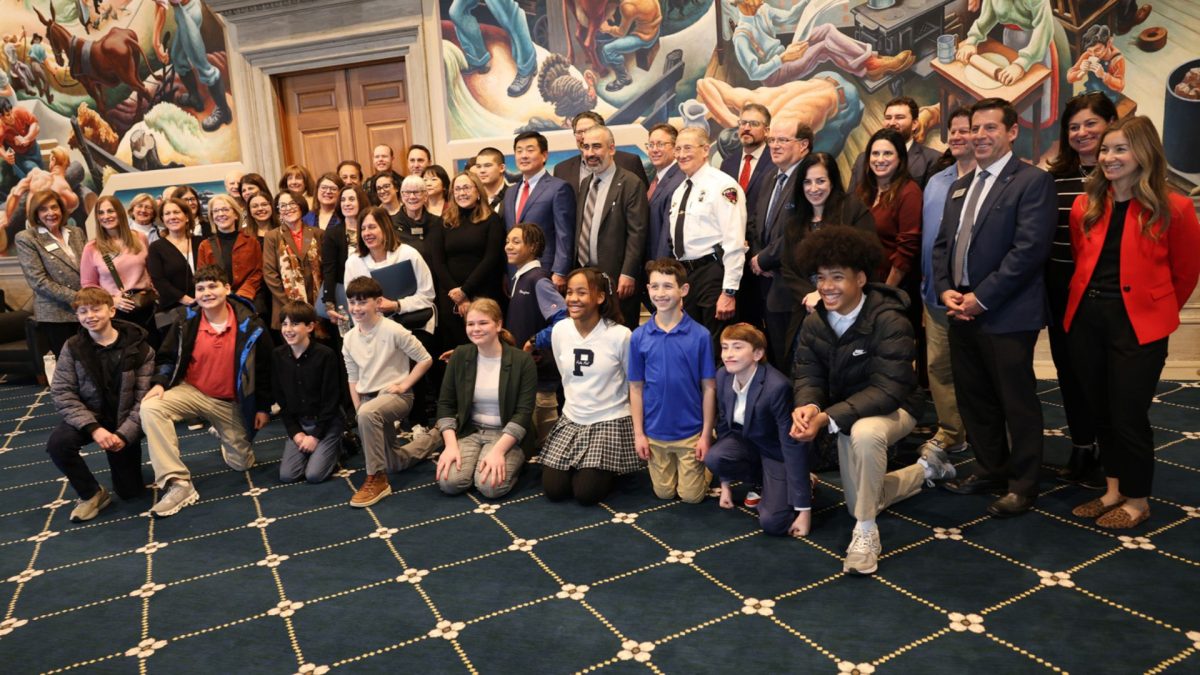
Rekindle is a fellowship that brings Black and Jewish leaders together for conversations about race, identity, antisemitism and community. The national program is led locally in St. Louis through the Jewish Community Relations Council (JCRC).
ADVERTISEMENT

“We use the word ‘Rekindle’ very intentionally,” said Elyse Picker, managing director of national programs for the fellowship and a former leader of the St. Louis chapter. “There was a time when relationships between Black and Jewish leaders were more organic because people were working side by side in the same movements.”
In St. Louis, the program is now overseen by Raquel Leverson, who recently stepped into a role leading JCRC’s Rekindle and broader Black-Jewish dialogue efforts.
“My experience as a Black and Jewish leader shapes my approach in a deeply personal way,” Leverson said. “I understand both the complexity and the beauty of holding multiple identities and I want to create spaces where people feel seen, heard and safe to engage honestly.”
This summer, JCRC plans to launch another St. Louis cohort as it continues expanding the program’s local alumni network and broader Black-Jewish dialogue efforts.
From proximity to distance
During the civil rights era, Black and Jewish communities often worked closely around shared causes and common barriers.
But over time, Picker said, those relationships became less automatic.
“In St. Louis, the physical and social divides—from the Delmar Divide to suburban migration patterns—have led to our communities drifting farther apart,” Picker said. “Antisemitism and anti-Black racism haven’t gone away, yet more recent events have driven our communities further apart.”
Leverson sees a similar challenge locally.
“One of the biggest challenges is that there are still limited spaces where Black and Jewish communities are consistently in relationship with one another,” she said.
That loss of proximity, Picker said, is exactly why Rekindle exists.
“You cannot reignite a flame without proximity,” she said.
Conversations that aren’t always comfortable
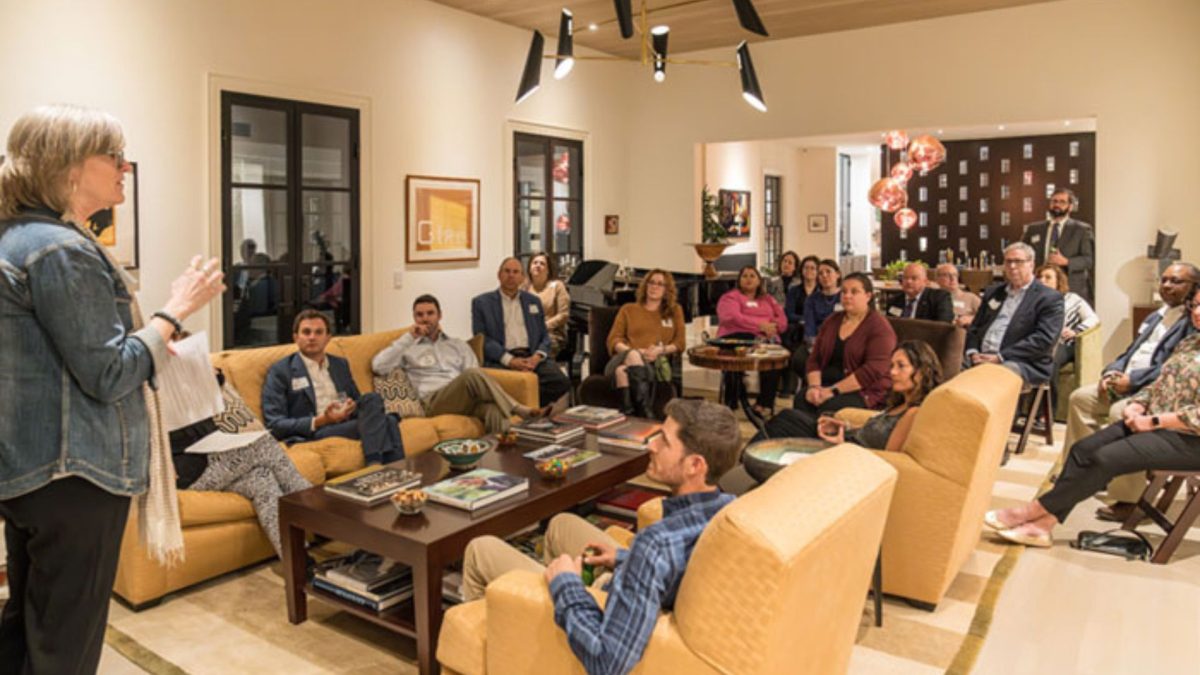
Rekindle fellows participate in sessions built around dialogue, cultural exchange and relationship-building. Organizers say the goal is honesty, not easy agreement.
One of the more difficult topics, Picker said, involves identity, privilege and perception.
“Jewish Fellows often share how it feels to navigate the world with the protections of white privilege, even in the face of rising antisemitism,” she said. “For Black Fellows, many have only thought of Jews as white and may not have met Jews of color before.”
Conversations around Israel and Palestine can also create tension within the room.
“While all Fellows may not agree on the politics, we can aim for mutual understanding and respect,” Picker said.
Kelly Laura, executive director of LEAD STL — formerly known as Cultural Leadership — and a fellowship participant, said the experience challenged some of her assumptions. For more than 20 years, LEAD STL has brought Black and Jewish students together through leadership programs, dialogue and shared learning experiences focused on identity, empathy and civic engagement.
Laura said Rekindle felt familiar in some ways, but also more personal.
“One moment that stood out was realizing how much I still had to learn about the narratives shaping how Black and Jewish communities understand one another,” Laura said. “It challenged me to sit with uncomfortable conversations and rethink how I show up.”
“One of the things that stood out most was how quickly conversations moved beyond surface-level networking and into genuine relationship-building,” she added. “Even after sessions ended, people kept talking, following up and staying connected.”
Laura said those moments reinforced many of the same goals behind LEAD STL’s work.
“A lot of what we try to create at LEAD STL is space for people to engage across differences, build empathy and have courageous conversations that lead to deeper understanding,” she said.
Building something local
Leverson said the next phase of Rekindle in St. Louis will focus on building stronger local relationships beyond the fellowship itself.
“The upcoming cohort will continue to center on building authentic relationships and deepening understanding between Black and Jewish participants,” she said. “There’s also an opportunity to be more intentional about local impact.”
Some of those relationships are already extending beyond the program.
Leverson pointed to this year’s JCRC Aurelia Konrad Interfaith Seder, where Rekindle alumnus Pastor Jonathan Tremaine Thomas served as one of the head table leaders.
“That experience was a direct result of a relationship cultivated by JCRC’s Rekindle Fellowship,” she said.
For organizers, that kind of continued engagement is the point—not simply completing a fellowship but rebuilding relationships that continue long after the sessions end.
“If we want stronger communities,” Picker said, “we have to know each other beyond headlines and assumptions.”