
One of my favorite transitions in the Jewish calendar is the transition from VeZot HaBeracha to Bereishit. When we finish the Torah, and begin it again anew. VeZot HaBeracha is the culmination of the Torah, the completion of its story. It is burdened by the history told within it; of the successes, yes, but also of the failures. Moshe cannot enter the Holy Land due to his mistakes. This generation is the second since the Exodus, due to the mistakes of their ancestors. The Torah has been given, but the Mitzvot have already been violated a number of times.
All of this is compared to Bereishit, where God creates something from nothing. The world is brand new. The skies, the earth, the oceans, are all new creations that are free from spiritual or physical pollution. The humans created are not bound by mistakes; they are created in the image of God. It feels as if we have been given a second chance to go through the events of the Torah, in a new path free of mistakes.
But of course, the events of the Torah happened thousands of years ago. We read about Adam and Chava eating from the tree, and we might hope that they don’t make the same mistake, but we know that they do. We see Kayin striking his brother, and we pray that he decides to close the door to sin, but that opportunity happened eons ago. And this feeling will continue as we meet familiar figures – Noach, Avraham, Sarah, Yaakov, Moshe, Miriam – we will read of their adventures, their connections to God and to other people, and will read of their mistakes again, leading us right back to VeZot HaBeracha next year.
In truth, while starting the Torah over again feels like a second chance for the figures of the Torah, it is really a second chance for us. It is a second chance for us to learn from our ancestors. Their triumphs and tumbles. Their struggles and their redemptions. And of course, it is another chance for us to learn about God and the Mitzvot that God commanded us.
In Pirkei Avot (5:22), Ben Bag-Bag says: “Turn it over, and [again] turn it over, for all is therein.” Our “turning over” the Torah again is a chance for us to relearn the lessons we may have forgotten, and to learn new insights into God and God’s world.
ADVERTISEMENT

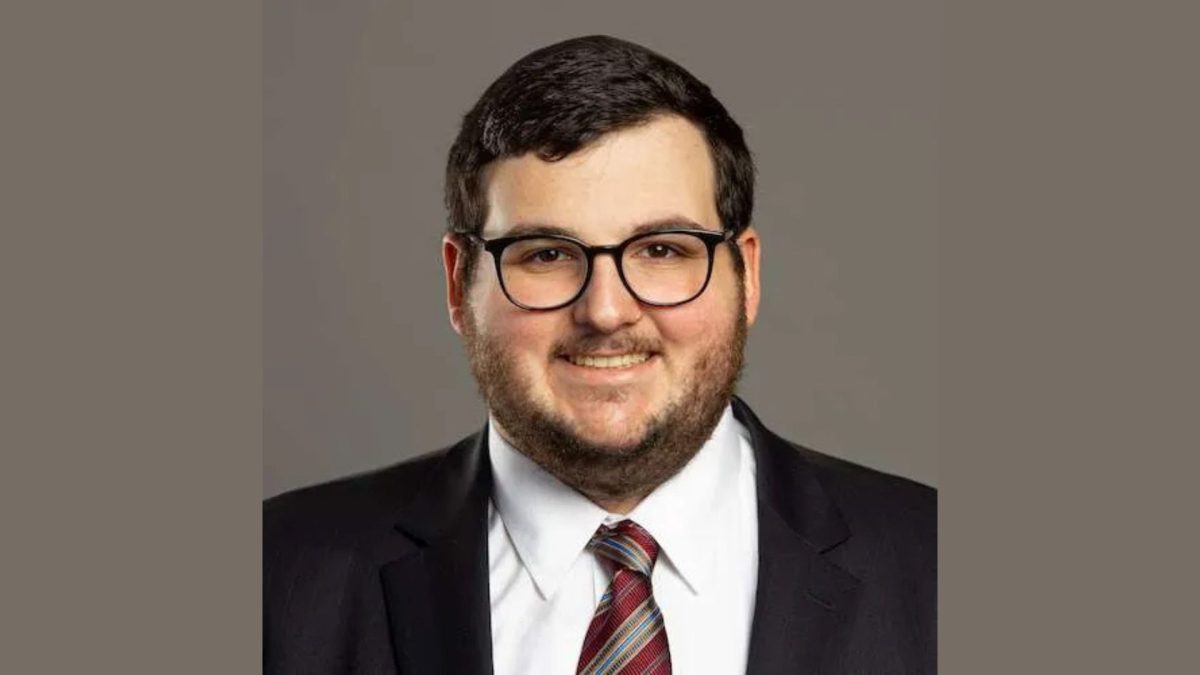
Rabbi Eliezer Finkelstein serves Congregation Bais Abraham and is a member of the St. Louis Rabbinical and Cantorial Association, which coordinates the d’var Torah for the Jewish Light.