
I’ve learned something over the years about lectures, plays and museum programs.
If I spend five minutes learning a few things before I walk in, I almost always enjoy the experience more.
Not because I know what’s going to happen, but because I know what to listen for.
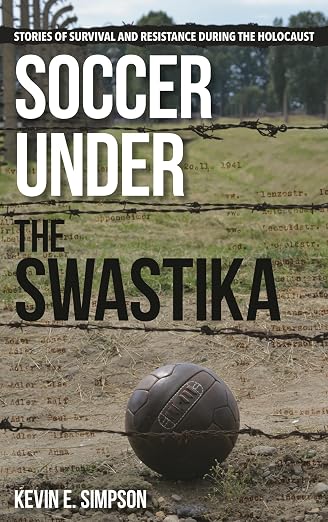
That’s especially true for the St. Louis Kaplan Feldman Holocaust Museum’s upcoming program, “Soccer Under the Swastika: Stories of Survival and Resistance During the Holocaust.” At first glance, soccer and the Holocaust don’t seem like they belong in the same sentence.
They do.
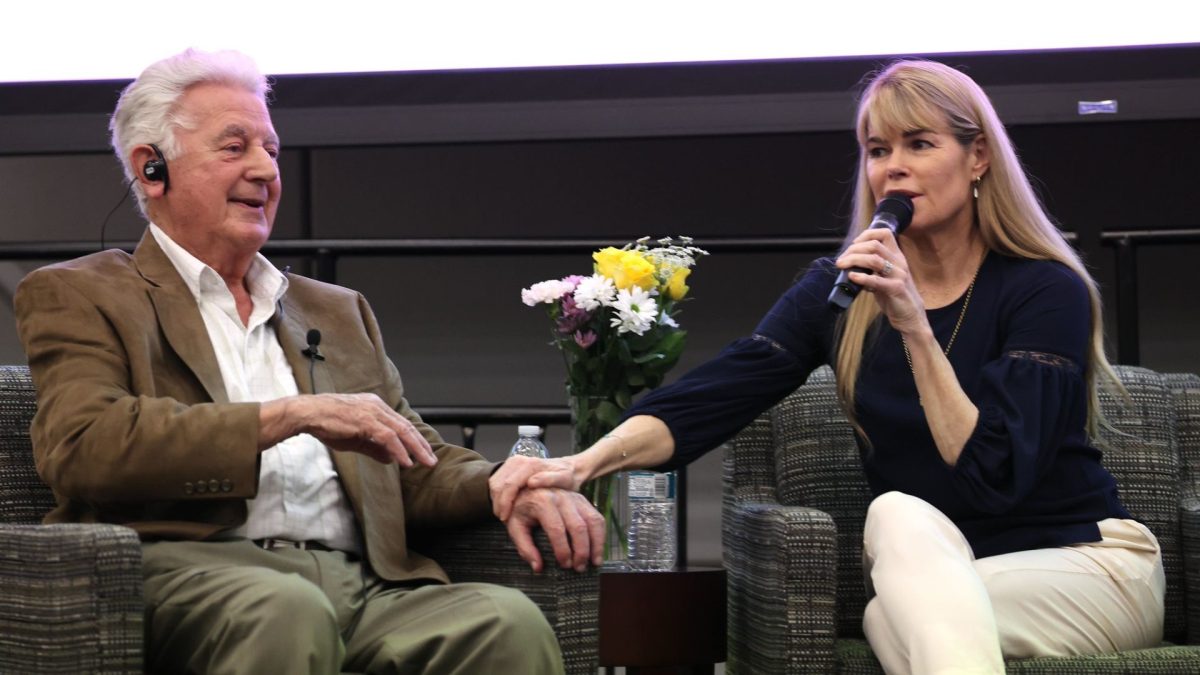
Presented as part of the Dr. Arthur and Marilyn Gale Holocaust Lecture Series, the July 22 program features author and United States Holocaust Memorial Museum Fellow Dr. Kevin E. Simpson. Drawing from his book, “Soccer Under the Swastika,” he explores the role soccer played in Nazi ghettos and concentration camps. He’ll then join First Alert 4 sports anchor Tamar Sher for a conversation about sports, history and the resilience of the human spirit.
ADVERTISEMENT

Before you go, here are five things worth knowing.
Soccer did not disappear during the Holocaust
It may be hard to imagine organized sports continuing under such horrific conditions, but soccer was played in ghettos, labor camps and concentration camps across Nazi-occupied Europe.
The games did not erase the reality around them. But for a brief time, they gave players and spectators something familiar to hold onto.
The game could offer more than recreation
According to the Holocaust Museum, soccer became more than a pastime for some prisoners.
It offered moments of hope, dignity and community in places designed to strip people of all three.
The museum says that, in some cases, playing soccer even improved a prisoner’s chances of survival.
That never guaranteed safety, but under those conditions, even a small advantage could matter.
The stories come from the people who lived them
Simpson’s presentation draws on survivor testimony, rare photographs and historical research.
That matters because this isn’t simply a story about a sport.
It’s about what soccer meant to people living with constant hunger, fear and violence.
The details make history feel much more personal. A ball, a patch of ground and a few minutes of play could carry extraordinary meaning.
Why the timing matters
The museum intentionally scheduled the program to coincide with this summer’s World Cup.
Millions of fans will have spent weeks watching soccer played at the highest level.
This program offers a chance to look at the game through a very different lens, exploring how it became a source of hope, dignity and, in some cases, survival during one of history’s darkest chapters.
Why this lecture fits the Gale series
The Dr. Arthur and Marilyn Gale Holocaust Lecture Series was established to bring lesser-known Holocaust stories to St. Louis audiences.
Ellen Gale, who now stewards the series her father founded, believes this year’s focus on soccer is exactly the kind of program he hoped people would discover.
“I think it makes it more accessible to people who might not otherwise have an interest,” she said. “Because everybody’s interested in sports.”
She also hopes audiences leave with the same reaction her father sought every year.
“I hope they come away saying, ‘Wow, I’m really glad I decided to come tonight. It was so interesting. I had no idea,'” Gale said. “Especially finding stories like this that are unique, that we didn’t know about.”