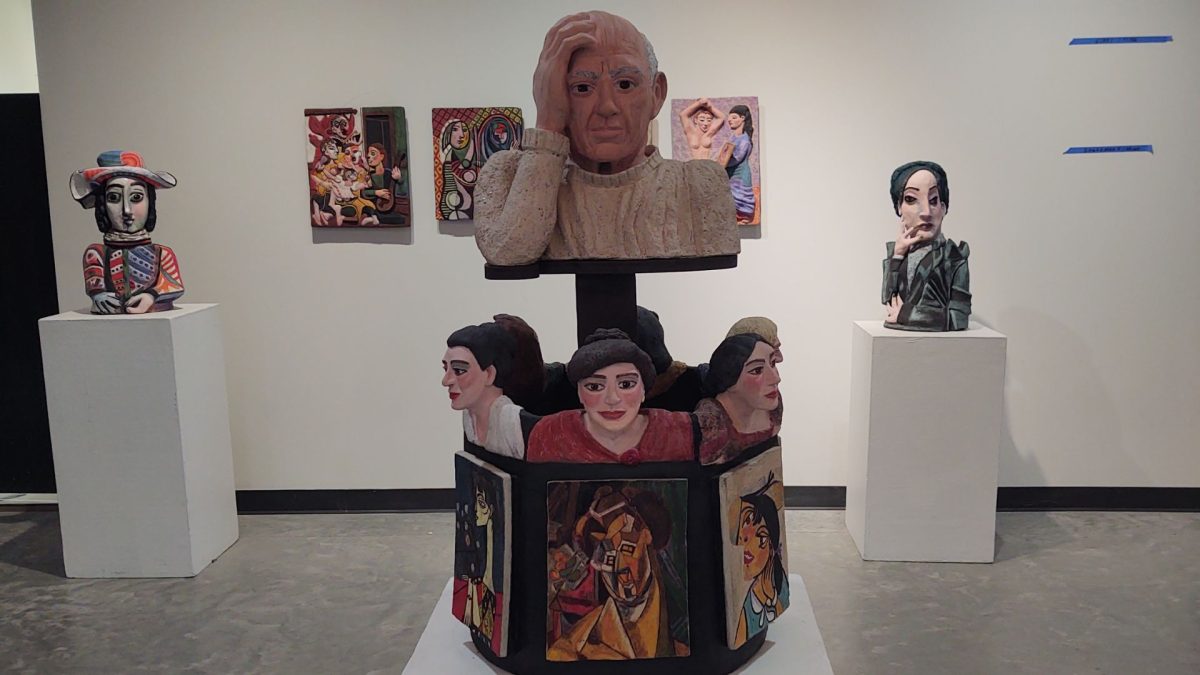
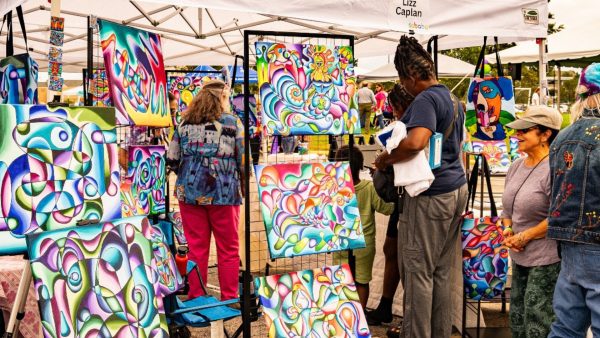
A neon-colored abstract painting. A photographer documenting queer nightlife. A ceramicist whose work has nothing to do with menorahs, Hebrew letters or ritual objects.
At this year’s Sababa Jewish Arts & Culture Festival, organizers say all of it could belong.
As applications open for the festival’s growing artist marketplace, organizers behind one of St. Louis’ largest Jewish cultural events are making something clear: Jewish art no longer needs to look traditionally Jewish to earn a place inside Jewish communal spaces.
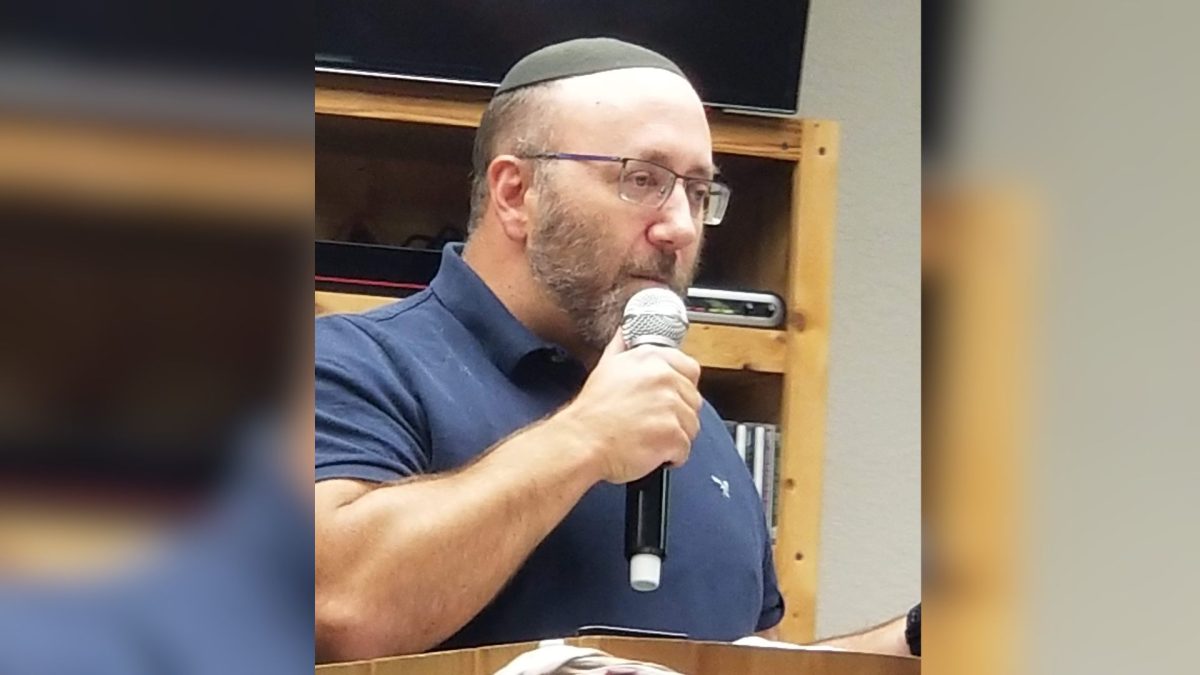
“We’re defining Jewish art as broadly and inclusively as possible,” said Rabbi Brad Horwitz, chief Jewish engagement officer at the Jewish Community Center. “Sometimes an artist’s Jewish identity shapes their perspective and community connection, even if it’s not explicit in the work itself.”
ADVERTISEMENT
That shift may say as much about Jewish St. Louis in 2026 as the festival itself.
Since launching in 2018, Sababa has steadily evolved from an outdoor community festival into a broader regional cultural event, drawing thousands to its mix of live music, food, visual art and contemporary Jewish culture. It is co-presented by the J and the Jewish Federation of St. Louis.
This year’s festival moves to downtown Clayton for the first time, a move organizers say reflects both the festival’s growth and ambition.
More than Judaica
But behind the larger footprint and expanded programming is a quieter cultural question:
What actually counts as Jewish art now?
For generations, Jewish communal art spaces often leaned toward visibly Jewish imagery — Judaica, ritual objects, Holocaust themes, Israeli landscapes or biblical references. Sababa’s organizers say this year’s artist application intentionally widens that lens.
“No,” Horwitz said, when asked whether artwork needs to look Jewish to belong at the festival. “Jewish art isn’t limited to menorahs or mezuzahs, although we do love it and hope to also see beautiful, creative Judaica.”
Instead, he said, the focus is also on the people creating the work and the stories they carry with them.
“Sababa welcomes artists with a genuine connection to the Jewish community, whether that appears directly in their work or simply informs who they are,” Horwitz said. “Our Jewish community is diverse, and we hope the art will reflect the full, living breadth of Jewish life today.”
Identity as medium
The festival is seeking artists working across ceramics, digital art, fiber arts, photography, sculpture, jewelry and mixed media. Applicants are not required to create explicitly Jewish-themed work.
Instead, organizers say the emphasis is on connection, identity and creative perspective as much as subject matter itself.
“We were intentionally broad because Jewish connection isn’t defined solely by subject matter,” Horwitz said. “An artist’s identity, experiences and personal journey can be just as meaningful as the themes and images reflected in the work itself.”
In many ways, the approach mirrors the larger evolution of Jewish identity itself — increasingly cultural, personal, multigenerational and harder to define by a single aesthetic.
“Jewish St. Louis today is multigenerational, pluralistic and incredibly diverse, and Sababa reflects that range through music, food and art,” Horwitz said. “While rooted in Jewish culture, expression and celebration, the Sababa experience is for everyone to enjoy.”
A festival frowing up
That openness may also explain why Sababa has managed to attract audiences beyond the Jewish community at a moment when many cultural festivals struggle to break outside their core audiences.
“Sababa is built around experiences that naturally bring people together: food, music, art and community,” Horwitz said. “You don’t need prior knowledge or fit into a certain segment to enjoy it.”
Applications for artists are open through June 30, with selections made through a blind jury process.
The festival takes place Oct. 18 in downtown Clayton as part of the Federation’s 125th anniversary celebration.
ADVERTISEMENT