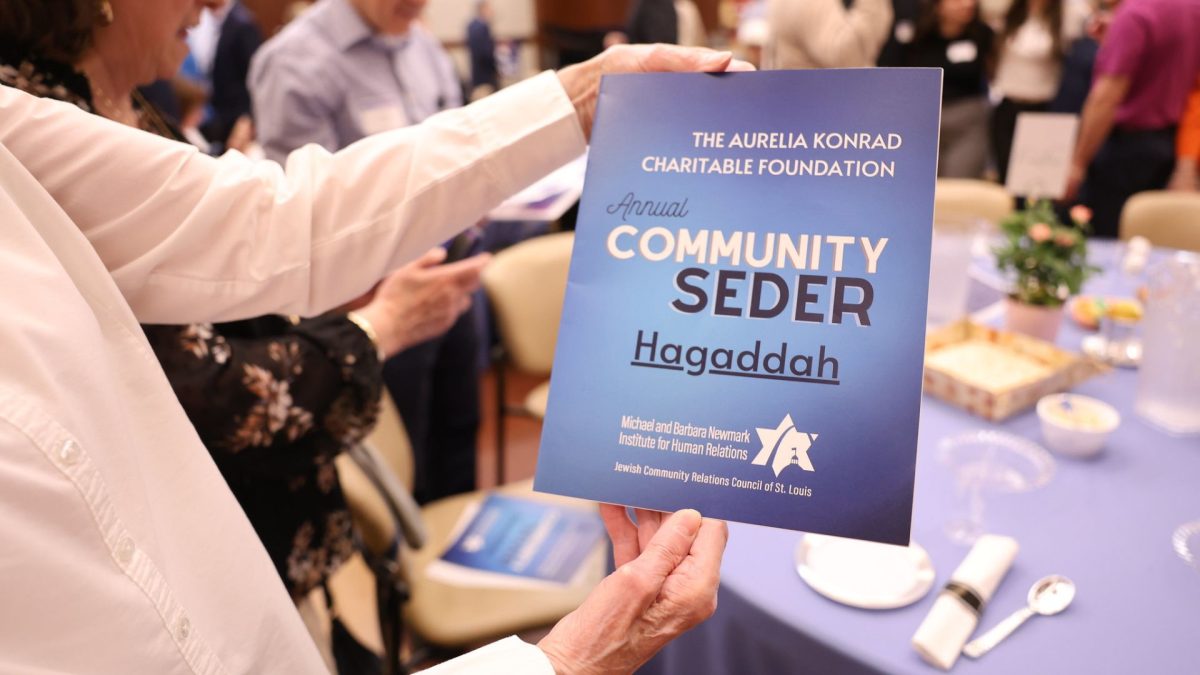

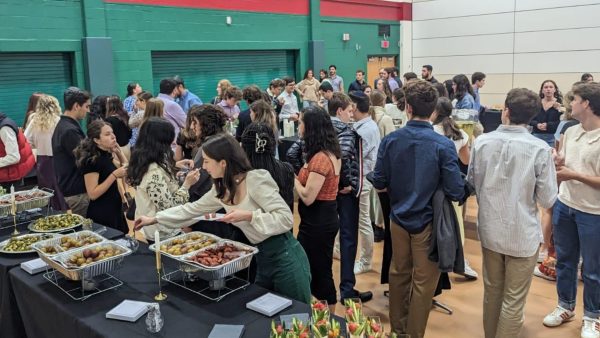
At Washington University’s Hillel and Chabad, Passover can be measured in impressive quantities: more than 100 gallons of grape juice, 500 pounds of brisket and nearly 1,000 hard-boiled eggs. This year, both Jewish groups expect roughly 300 students at each of the first night seders held on campus.
Chana Novack, co-director of campus Chabad, said the group began offering free seders to students in 2002, when she and her husband, Rabbi Hershey Novack, founded the campus center. Hillel’s connection to Passover meals goes back even further. Executive director Jackie Levey said the organization has been serving food during the holiday since 1946.
In addition to students, some faculty members and administrators such as Chancellor Andrew D. Martin have attended the seders in past years. Chana Novack said Chabad tailors its seder to students who want to celebrate the holiday while keeping up with their studies.
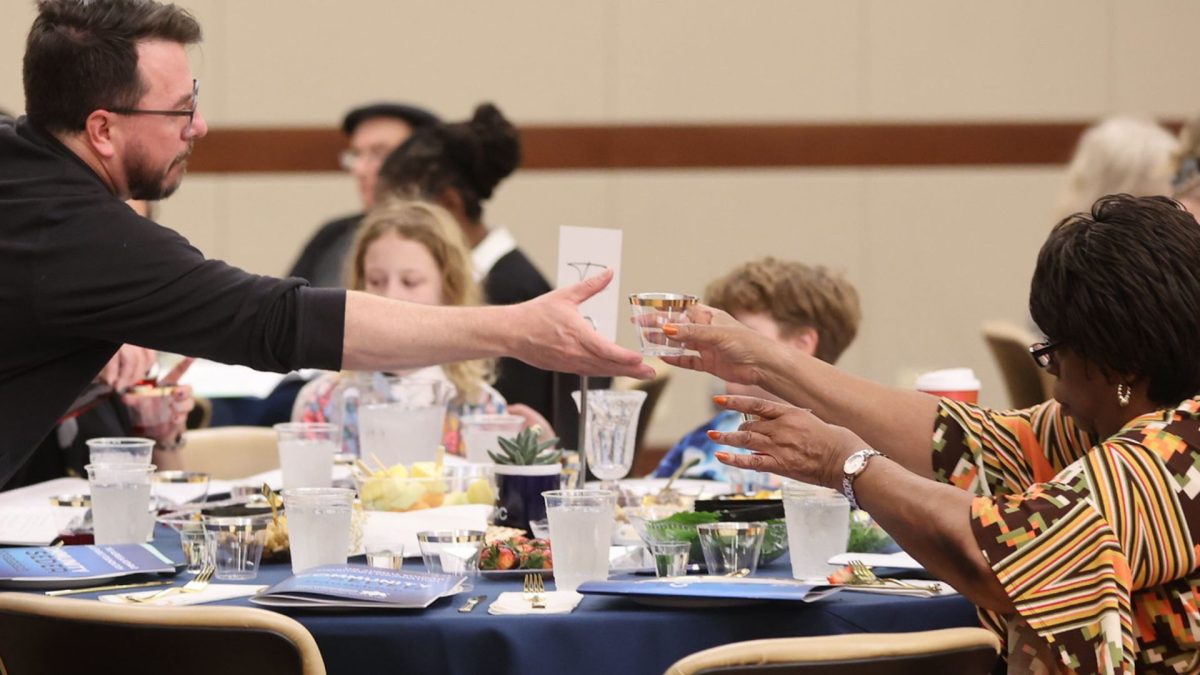
“Our seder is two hours start to finish,” Novack said. “It’s not family-style as much as it is a big, fun, community experience that college students seem to enjoy.”
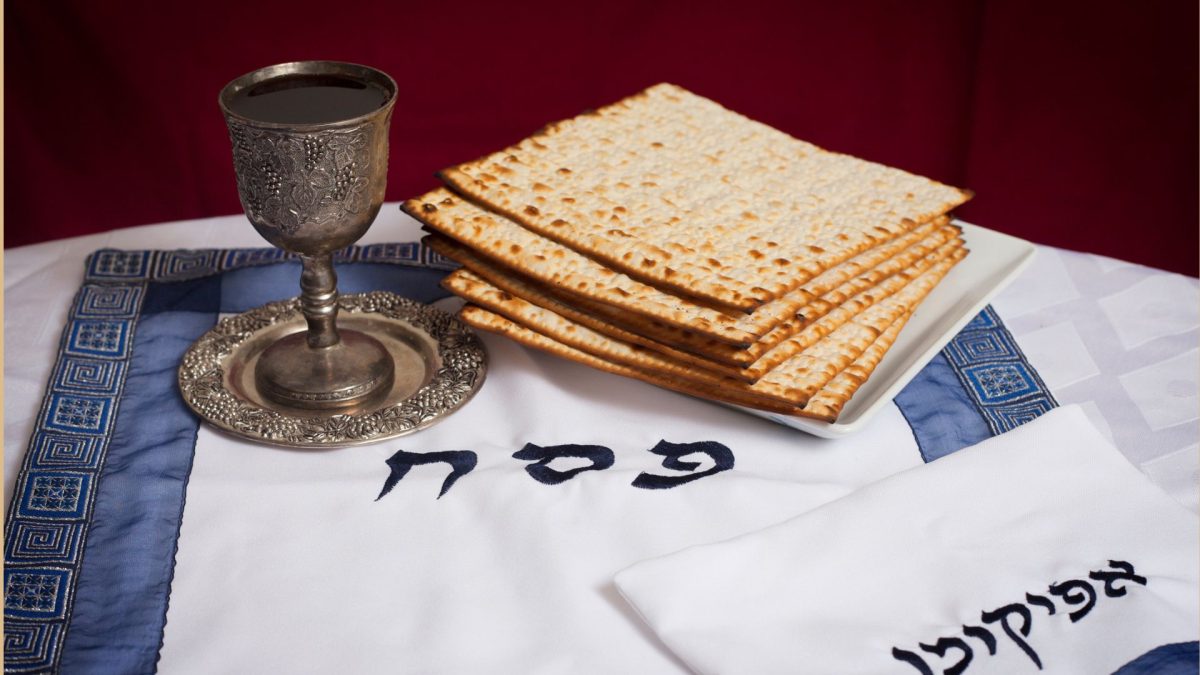
Chabad connects students looking for a more traditional and longer seder experience with other students hosting off-campus seders. Chabad makes sure to provide students with all the ritual items and food.
ADVERTISEMENT

Hillel also has a “Do Your Own Seder” program. Students can sign up to host friends, and Hillel will either cater food or subsidize the cost of groceries.
With roughly a month left in the semester, students are typically busy during Passover. Senior Ephraim Weiss said celebrating Passover is still important for Jewish students who might also be balancing exams and extracurricular activities on top of their regular coursework.
“Jewish identity should never be forgotten, or even glossed over,” he said. “It is important for students to prioritize involving themselves in Jewish traditions and activities that keep the story alive and the Jewish people thriving.”
Hannah Rubin-Schlansky, assistant director of WashU Hillel, and Missy Novotny, operations manager, said planning for the seders begins over winter break. While students make up the bulk of the crowd, some St. Louisans also dine at Hillel during the holiday because it offers kosher for Passover meals.
“It is a wonderful time for visiting families to experience Pesach on campus and see the robust Jewish community that engages with WashU Hillel,” they wrote in an email to the Jewish Light.
Novack said Chabad focuses solely on the student experience during Passover. They have a pre-seder social and a Passover barbecue. Both events are designed to bring students together and create new meaning around the holiday.
“Students see how traditions they grew up with at home can be practiced at college and then celebrated in their own way,” Novack said.
Both Chabad and Hillel cater and cook mountains of food for Passover. They also make more than 100 pounds of matzah and charoset. While some students might miss celebrating the holiday at home, Novack and Levey hope that the food translates to comfort and that students are able to fully celebrate.
“We always tell students and parents that we want to be the second-best place to have a seder,” Novack said. “Their first best place is always going to be home. We want to be the second best.”