

On April 12, the story behind the voice of “Fiddler on the Roof” and the actor from “The Sound of Music” returns to St. Louis.
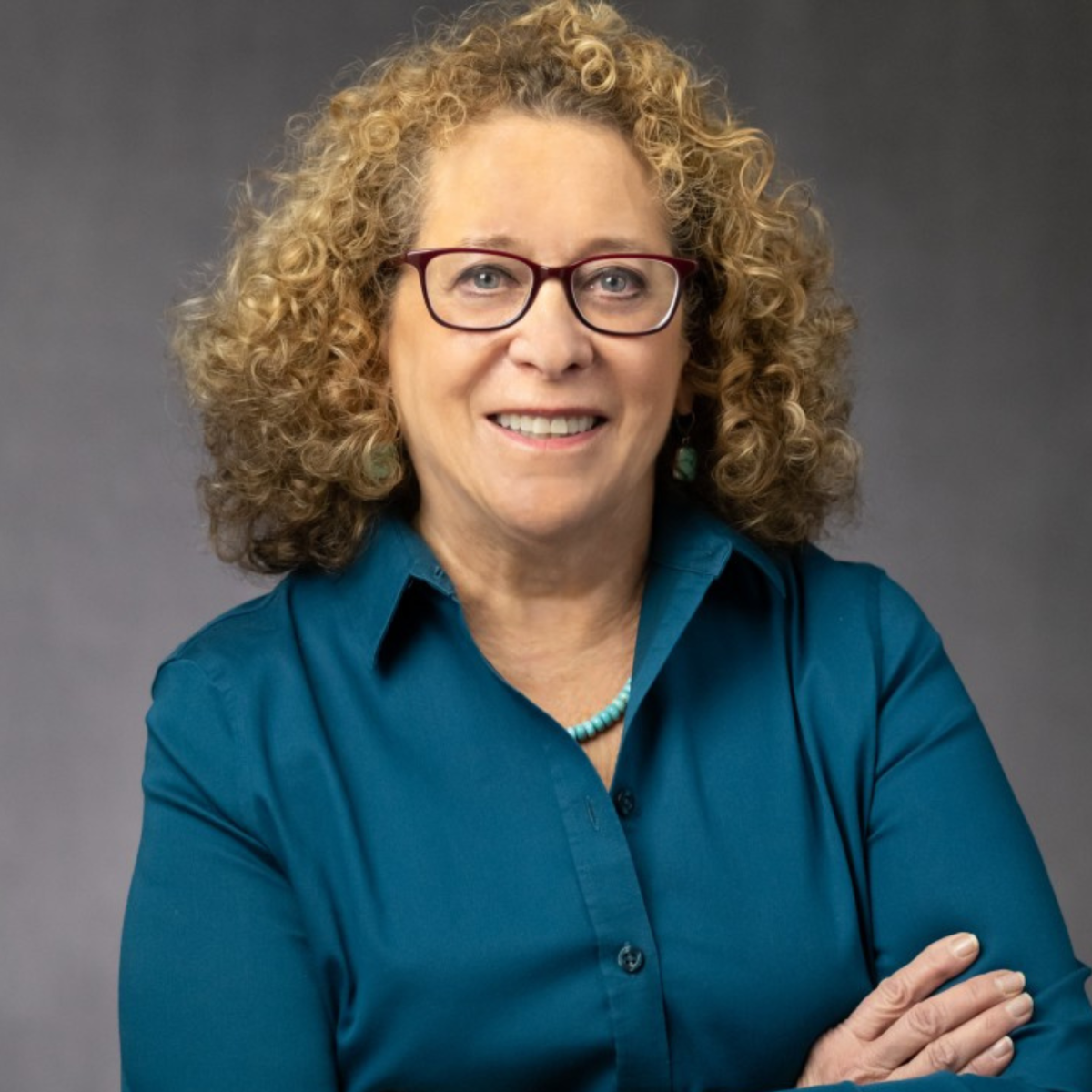
His widow, Aimee Ginsburg Bikel, will appear at Congregation Kol Rinah to share memories of Theodore Bikel — the actor, folk singer and activist whose life moved from Nazi-era Vienna to Broadway and the civil rights movement.
For many audiences, Bikel was the powerful voice behind folk songs and stage roles in productions like “Fiddler on the Roof” and “The Sound of Music.” But within Jewish communities, he often represented something more: an artist who believed Jewish history carried a responsibility to speak out.
St. Louis was one of those communities. Over four decades, Bikel appeared here roughly 10 times — from 1972 through a return visit for the St. Louis Jewish Book Festival in 2014.
“Theo felt that we were alive in this world in order to work and make it better,” Ginsburg Bikel said. “That to be Jewish, the absolute essence of being Jewish was that we were people that were here to make the world better.”
Why his story still resonates
For Ginsburg Bikel, revisiting Bikel’s life today is not simply about remembering a performer.
It is about remembering the responsibility he believed came with Jewish history — especially at a time when antisemitism and questions of civic responsibility have again entered public conversation.
“For Theo, he was Jewish,” she said. “With a loyalty to the Jewish people which one can hardly fathom.”
At the same time, that loyalty never stopped with the Jewish community alone.
“What that meant,” she said, “was to care equally about all people everywhere.”
A life shaped by history
Bikel’s sense of purpose was rooted in childhood.
Born in Vienna in 1924, he fled Austria with his family after the Nazi annexation. They eventually reached Palestine, where Bikel joined the Habimah Theatre and began building the career that would later carry him to international fame.
“Theo was 14 when Hitler marched into Vienna,” Ginsburg Bikel said. “That moment shaped everything that came after.”
But the experience of displacement never left him.
“We know what happens when good people stay silent in the face of injustice,” she said. “And we must not be those people who stay silent.”
Those lessons stayed with him long after he left Europe.
Bikel became a leading voice in the movement for Soviet Jewry, marched in the civil rights movement and used concerts and public appearances to draw attention to causes he believed demanded action.
“Theo believed music and theater were ways to reach people who might never listen to a political speech,” Ginsburg Bikel said.
For him, the stage and activism were never separate.
The stage simply gave him a larger microphone.
A St. Louis connection
St. Louis audiences saw that combination of performance and conviction up close.
Archives of the Jewish Light show that Bikel appeared in the region multiple times over the decades, including performances connected to Jewish Federation of St. Louis programs and community cultural events. In 2014, he returned to the city for the St. Louis Jewish Book Festival.

Ginsburg Bikel said that visit came at a time when he was already slowing down and accepting fewer appearances.
“It was very specifically because of the Jewish community of St. Louis that he loved, and he loved going,” she said. “He decided to take that engagement as a way to go one more time.”
She added simply: “So, yes, he loved St. Louis.”
Ginsburg Bikel said he often preferred performing in Jewish communities, where audiences understood the deeper history behind the songs and stories he brought to the stage.
Those appearances helped build a lasting connection with St. Louis.
Event details
The cost is $10, RSVP appreciated. For more information contact Stacey Hudson, Kol Rinah’s executive director, at 314-727-1747, [email protected].
Leading up to the event, a related program will be offered at Kol Rinah: a presentation by Will Soll tracing the American Jewish journey through the songs that shaped each generation, on March 22 at 2 p.m.