
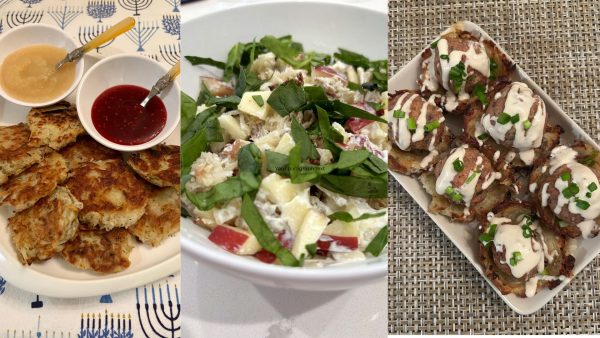
I have been writing Hanukkah columns for the St. Louis Jewish Light since 2006 and have covered a trove of historical and culinary topics regarding latkes. This year, I thought it might be fun to explore creative ways to serve your potato latkes.
So move over, applesauce. These are delicious latkes you can serve as fancy appetizers, exciting breakfasts, fun noshes while watching your favorite movies or football games, and lovely side dishes for your Hanukah dinner. To paraphrase a passage from one of Elizabeth Barrett Browning’s sonnets: “How do I love latkes? Let me count the ways.”
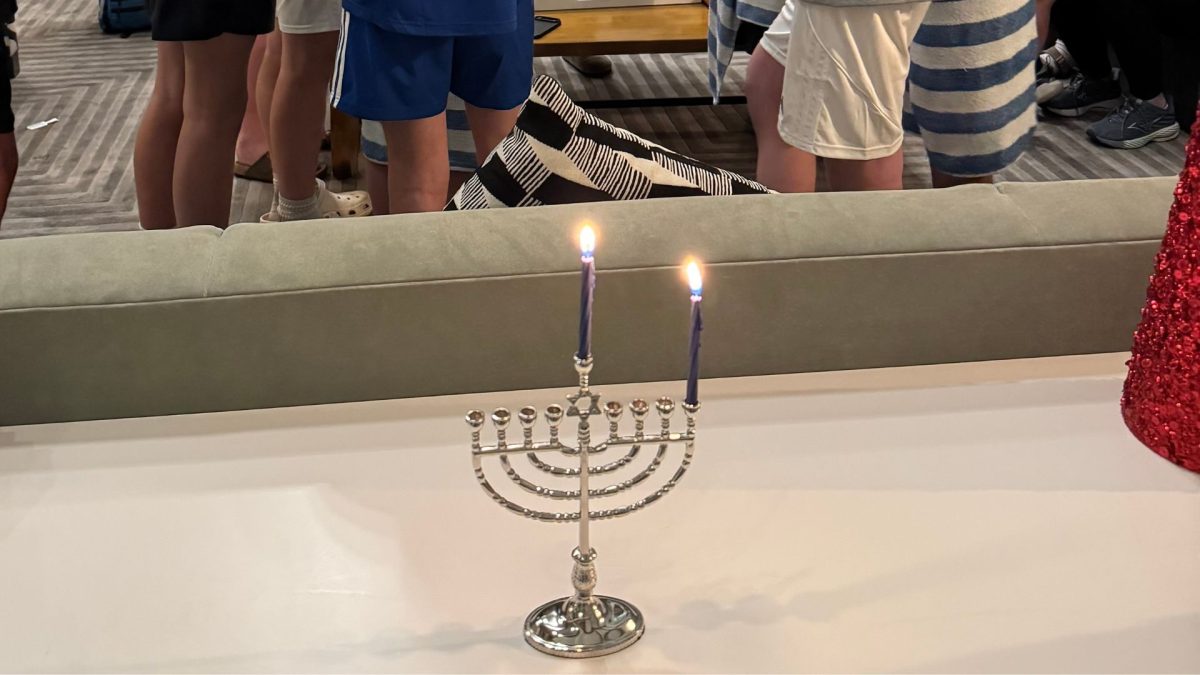
We all know that Hanukkah celebrates the Maccabean army’s victory over a much larger Syrian force, and the miracle of the olive oil that kept the Temple’s eternal light burning for eight days. Thus, we honor the miracle of oil by enjoying fried foods on Hanukkah.
Your family might make schnitzel or sufganiyot (fried jelly-filled donuts) if you’re Ashkenazi, or bimuelos bathed in cardamom honey or sfenj doughnuts if you’re Sephardic. But here in America, no Hanukkah celebration is complete without potato latkes.
While we may think of potato latkes as the only kind of latke, there are so many other types: root vegetable latkes, buckwheat latkes, cheese latkes, barley latkes, apple latkes, and so on and so on.
ADVERTISEMENT

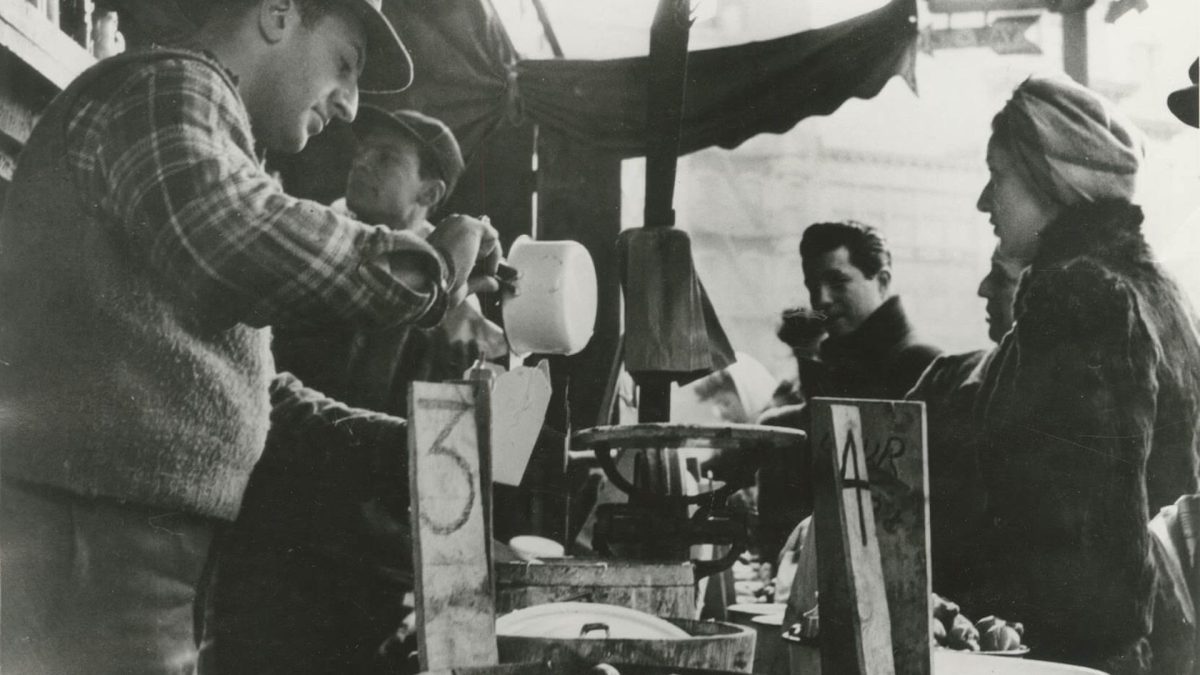
It is interesting to note that before the potato, the most popular latkes in Eastern Europe were made from farmer’s cheese. Potatoes were not used to make latkes until well into the 18th and 19th century, having arrived in Europe in the 15th century from the New World via Columbus. Potatoes were easy to grow and became abundant and very affordable. Thus, they became the perfect latke ingredient for poorer Ashkenazi Jews living in the shtetls.
This tradition has thrived. Today in America, visit any deli any time of the year and you will find potato latkes. Attend any Hanukkah celebration and potato latkes will be served. And when you think of hosting a Hanukkah dinner, potato latkes will probably be part of the menu.
So, for the purpose of this column, I decided to stay with the iconic latkes and, in addition to my latke recipe, include some newfangled ways to make and serve them, from fancy to fun.
But first, here are a few things to keep in mind when preparing your latkes. Be sure to squeeze out your grated potatoes in a towel. The drier the potatoes, the crisper the latkes. If frying the latkes in a pan, make sure the oil is hot and be sure to leave some space between the latkes. If they are too close together, they won’t get crisp. And note: latkes can be made in advance. Simply place them in an airtight container once they’ve cooled and refrigerate them for up to two days or freeze them for up to one month. Fifteen to 20 minutes before you want to serve the latkes, preheat your oven to 400 degrees. Spread the latkes out in a single layer on sheet pans and heat until crisp, 15-20 minutes.
Now that you know how to get the crispiest latkes, here are some fun ways to serve them.
Smoked salmon latke appetizers
For elegant appetizers to eat while sipping wine or schnapps, make your latkes the size of a blini (2-3 inches in diameter).
Whisk together a tablespoon of Greek yogurt and a tablespoon of labneh (or sour cream) with 2 teaspoons of fresh chopped dill. Place half a teaspoon of the mixture on top of each small latke and place a thin slice of smoked salmon on the yogurt mixture. Place another half teaspoon of yogurt mixture on top of the salmon and top that with a small spoon of caviar or capers. Garnish with more fresh dill; serve.
Another option: Prepare mini meatballs (turkey, beef or chicken) and cut a thin slice off the bottom of each meatball so that they sit flat. Prepare a simple tahini sauce: tahini paste, lemon juice, water, finely minced garlic, salt and pepper to taste. Place a meatball on each latke and drizzle with tahini sauce. Garnish with chopped chives or finely chopped scallions. Serve as an appetizer.
Traditional Potato Latkes
Ingredients:
- 2¼ to 2½ lbs. russet potatoes
- 1 large onion, peeled and cut into chunks
- 1½ tsp. kosher salt
- ¼ tsp. freshly ground black pepper, plus more as desired
- ¼ c. all-purpose flour, or more as needed
- 1 tsp. baking powder
- 2 large eggs
- Olive oil or vegetable oil, for frying
- Applesauce or sour cream, for topping
Directions:
- Prepare a bowl of ice water and set it onto your counter. Preheat oven to 200 degrees.
- Grate the potatoes and onions by hand or on the shredding disc of a 1food processor. Transfer mixture to ice water bowl and swish together with your hands. Turn mixture out into a colander to drain.
- Lay a clean kitchen towel on your counter and turn drained potato mixture into the center. Gather the ends of the towel together and, over the kitchen sink, squeeze all the moisture out of the potatoes and onions.
- Transfer the potato-onion mixture to a large bowl and sprinkle with salt, pepper, flour and baking powder. Thoroughly mix together. Add both eggs and mix again until everything is evenly incorporated.
- Heat a large skillet over medium heat with ¼ cup oil. Once heated (test oil by adding a shred of potato; if it sizzles, the oil is ready) place ⅓ cup latke batter in your hand and form into a patty. Add latke to hot oil. Continue until pan is full, leaving half an inch between latkes.
- Once latkes are brown on one side, carefully flip them over and slightly flatten them with the back of a spatula. Continue cooking latkes for three to four minutes or until second side is brown and crisp. Transfer latkes to a baking sheet lined with paper towels, and set into preheated oven. Fry remaining latkes, adding more oil, as needed, and adding them to the baking sheet. You can cover first batch with additional paper towels and place the next batch on top. Continue in this manner.
- Serve latkes traditionally with apple sauce or sour cream, or use them in some of the other ways described above.
- Makes about 16 latkes, depending on size.
Latke board
Rather than frying the latkes on top of the stove, preheat your oven to 450 degrees. Pour ⅓ cup of olive oil into a 9-inch by13-inch glass Pyrex dish. Place dish in the oven for eight minutes. Carefully remove from oven and place on a cooling rack. Carefully turn latke batter into hot oil (carefully, because it will splatter), and quickly spread the batter evenly across the dish. Place back into the oven and cook for 22 to 24 minutes, or until deep golden brown and crisp.
Turn out onto a cutting board on which you plan to serve it. Cut the latke into squares and top with any of the following: sour cream and sliced avocados; mascarpone cheese and chopped Bosc pears; sour cream and smoked salmon slices; ratatouille; goat cheese and chopped dates; dried fruit compote … or any other topping you might come up with. Serve.
Latke pizza
Preheat oven to 450 degrees.
Pour a quarter cup of olive oil in a 10-inch cast iron skillet (or a 10-inch pizza pan with 2-inch sides). Place skillet (or pan) into hot oven for eight minutes. Using oven mitts, carefully remove skillet from oven and set onto a cooling rack.
Add latke batter to the skillet (or pan) and quickly level it out. Place skillet (or pan) back into oven and cook until latke is golden brown and crisp.
Remove from oven and immediately spread your favorite pizza or marinara sauce on top. Add your favorite pizza toppings such as caramelized onions, slice black olives, sauteed green or red peppers, or sauteed mushrooms and top with finely shredded mozzarella cheese. Place back in the oven for two minutes, or just long enough for the cheese to melt.
Remove from oven and garnish with slivered fresh basil. Cut into wedges and serve as you would any pizza.
Latke crunch wrap
Prepare latkes as usual.
Scramble some eggs.
Heat an 8- or 10-inch tortilla in the microwave oven between two damp paper towels for 10 seconds. Place one or two latkes on the tortilla, followed by some of the scrambled eggs and a slice or two of Monterey Jack cheese. If desired, drizzle some salsa on top. Fold tortilla as you would a burrito, rolling it up and tucking the sides in to enclose the filling.
Heat a 10-inch skillet with a little bit of olive oil and place filled tortilla in the skillet. Fry until one side of the tortilla is crisp, carefully turn over, and repeat with the other side, until tortilla is slightly crisped and cheese is melted. Cut in half and serve.
Margi Lenga Kahn is the mother of five and grandmother of 11. While teaching virtual cooking classes and preparing meals for the local “Meals on Wheels” program, she continues to work on a project to preserve the stories and recipes of heritage cooks. She welcomes your comments and suggestions at [email protected].