When people think about Auschwitz, one name often comes to mind: Josef Mengele.
Known as the “Angel of Death,” Mengele became infamous for conducting brutal medical experiments on prisoners, particularly twins. His name has become synonymous with some of the Holocaust’s most horrific atrocities.
But a new PBS documentary asks a different question:
What about the man who stood in his way?
Why Erno Spiegel matters
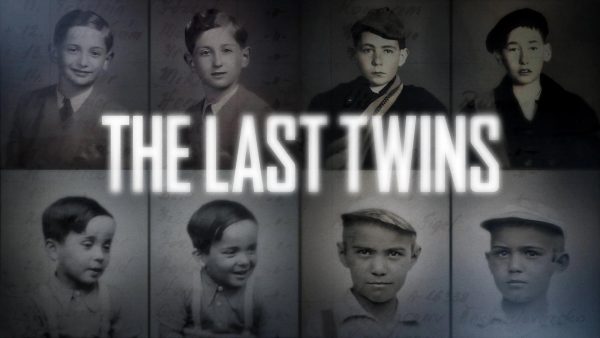
“The Last Twins,” premiering June 15 on Nine PBS, tells the story of Erno “Zvi” Spiegel, a Hungarian Jew whose actions helped save dozens of young boys imprisoned at Auschwitz, many of them twins targeted for Mengele’s experiments.
ADVERTISEMENT

According to the filmmakers, Spiegel risked his own life to protect children from death and abuse inside the concentration camp.
For co-director Perri Peltz, the story highlights the power of humanity under impossible circumstances.
“Erno Spiegel’s story reminds us that even in the darkest places, there are people who choose to act with courage and compassion,” Peltz said.
The children targeted by Mengele
The documentary focuses on a group of boys who survived Auschwitz despite being singled out by Mengele.
Mengele’s medical experiments on twins have become one of the most recognizable symbols of Nazi cruelty. Yet the filmmakers argue that Spiegel’s efforts to shield children from abuse and death deserve greater recognition.
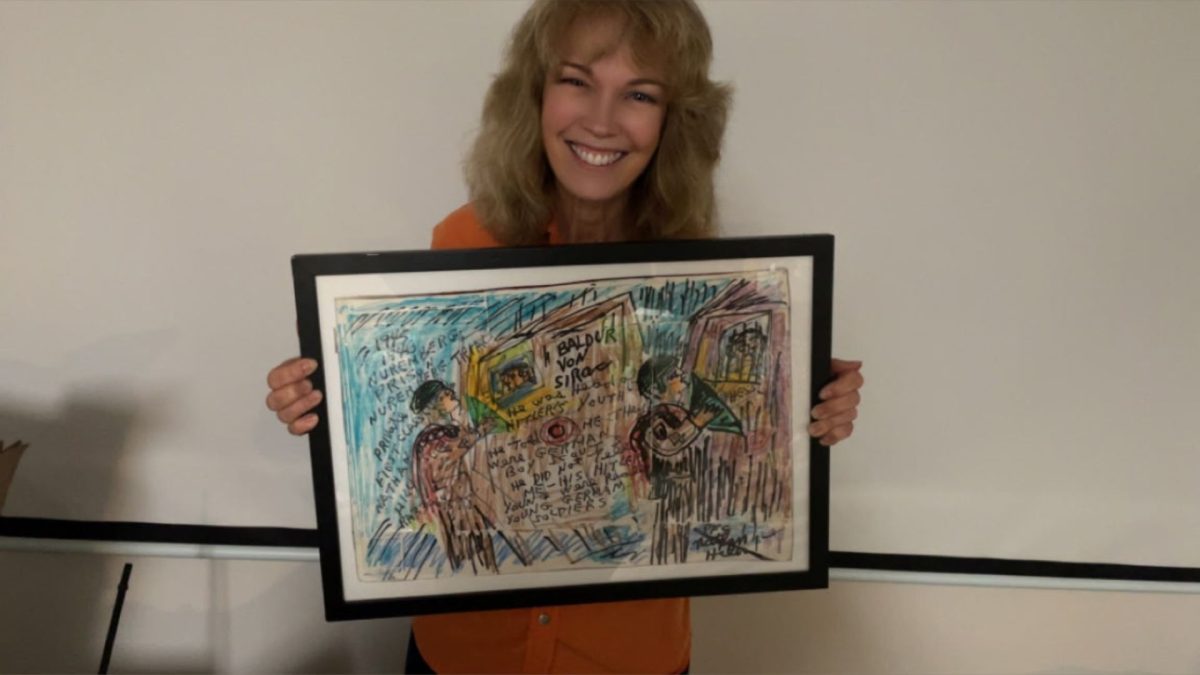
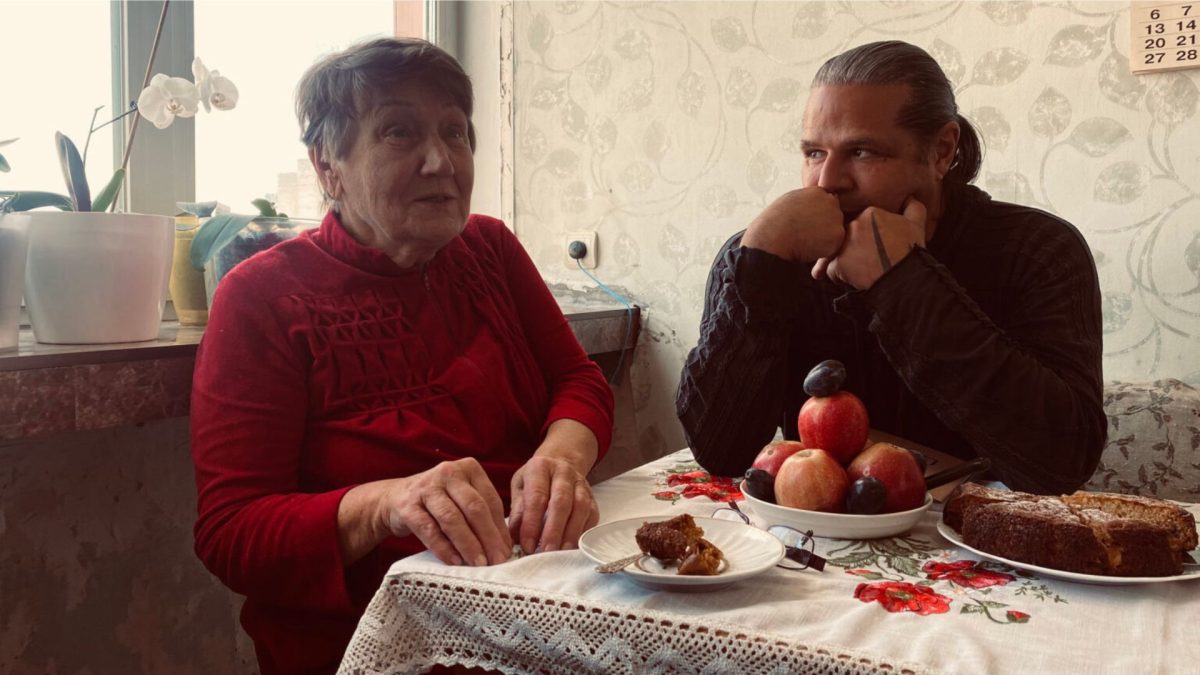
The film combines first-hand survivor testimony with archival materials to reconstruct a story that has remained largely unknown.
Life after liberation
When Auschwitz was liberated, Spiegel’s responsibilities did not end.
Instead, he helped guide surviving boys through the chaos of postwar Europe as they searched for surviving family members and attempted to rebuild their lives.
The journey took place across a continent devastated by war, displacement and loss.
For many of the children, Spiegel became far more than a caretaker.
He became a lifeline.
Preserving Holocaust memory
Co-director Matthew O’Neill said the documentary arrives at a moment when Holocaust remembrance faces new challenges.
“We are at a critical point in history—a moment when memories of the Holocaust are fading and the resurgent tide of antisemitism and bigotry now coursing through our world makes remembering more imperative than ever,” O’Neill said.
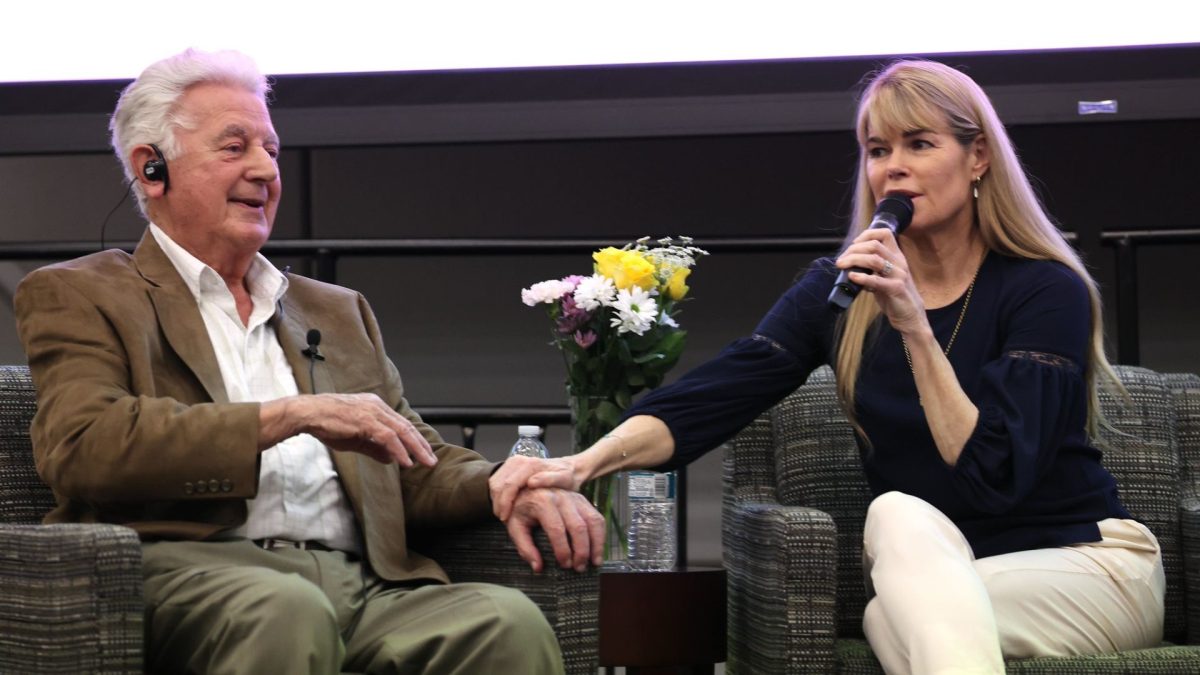
The documentary is narrated by actor Liev Schreiber and executive produced by Spiegel’s daughter, Dr. Judith Richter, who has spent years working to preserve her father’s story.
The legacy of The Last Twins
Today, the boys Spiegel helped save have children, grandchildren and descendants living around the world.
Their lives form part of the legacy created by one man’s decision to act with courage inside one of history’s darkest places.
“My father may be its hero,” Richter said, “but its deeper question is for all of us, especially today: who are we and what do we choose to do with our humanity?”
For many viewers, the documentary offers something increasingly rare in Holocaust storytelling: not a new account of a perpetrator, but a closer look at someone who chose to resist.
Because while history remembers Josef Mengele, the filmmakers behind “The Last Twins” hope audiences will remember Erno Spiegel, too.
When and where to watch
What: “The Last Twins”
Where: Nine PBS in St. Louis
When: June 15 at 10 p.m. (CST)
Streaming: PBS.org, PBS app and PBS YouTube channel