
What started as a celebration of Jewish music history quickly turned into something louder, fuller and harder to sit still through.
Central Reform Congregation’s first Week of Music drew large crowds throughout the week, bringing longtime members, former members and plenty of newcomers into the sanctuary and beyond. From lunchtime learning to late-night sing-alongs, the experiment felt less like a program series and more like a living soundtrack for a community.
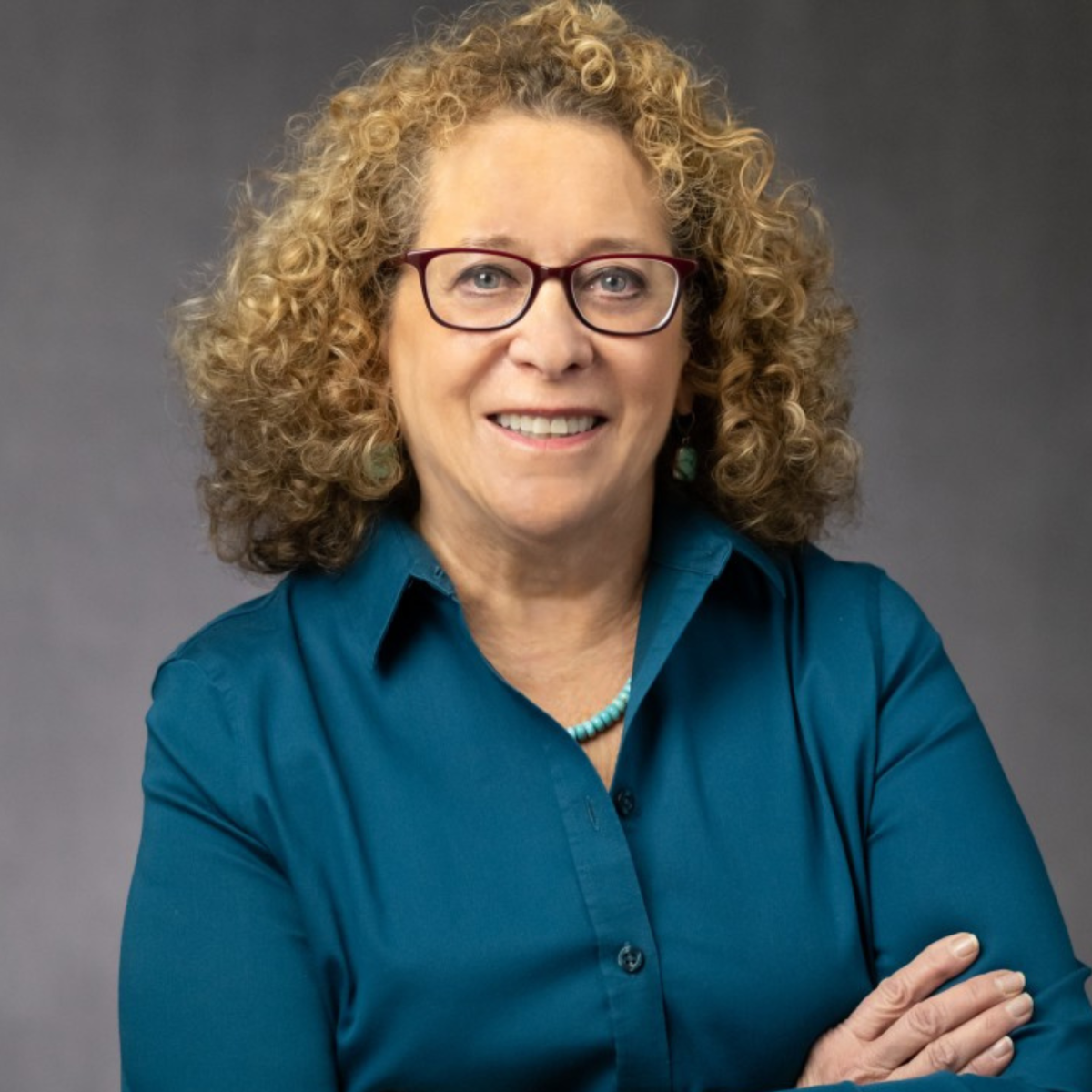
“We’ve had a ton of people attend,” said Terri Grossman, CRC’s executive director. “We started with Billy Jonas on Saturday morning, and I had to go find additional seating. We’ve had lots of former members coming back and re-engaging. Out of all the people who RSVP-ed, there are also a lot of non-members. The music is speaking to them.”
Lunch and learn: history in harmony
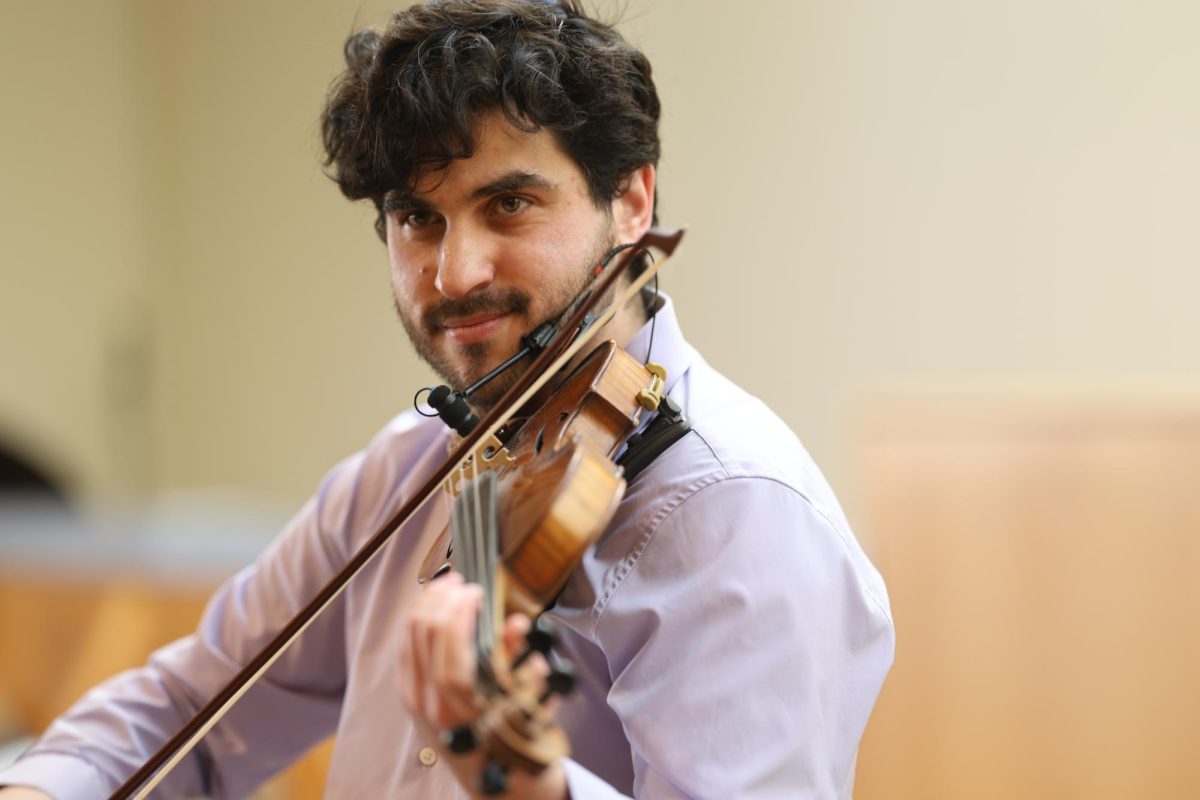
Midweek, former St. Louisan Eitan Kantor led a lunch-and-learn tracing the evolution of Ashkenazi Jewish music. He discussed how German Jews who immigrated to the United States in the late 1800s assimilated in many ways, including musically, sometimes adopting Protestant hymn structures and choral harmonies for synagogue use.
About two dozen community members attended the session, exploring how tradition adapts without losing itself. It framed the week not just as performance, but as continuity.
Percussion discussion: samba, survival and one shared song
If the lunch session leaned intellectual, Thursday night leaned visceral.
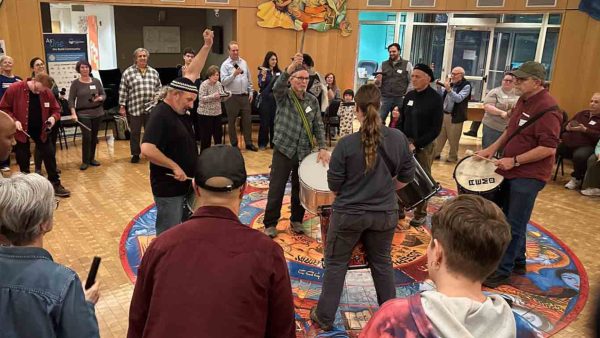
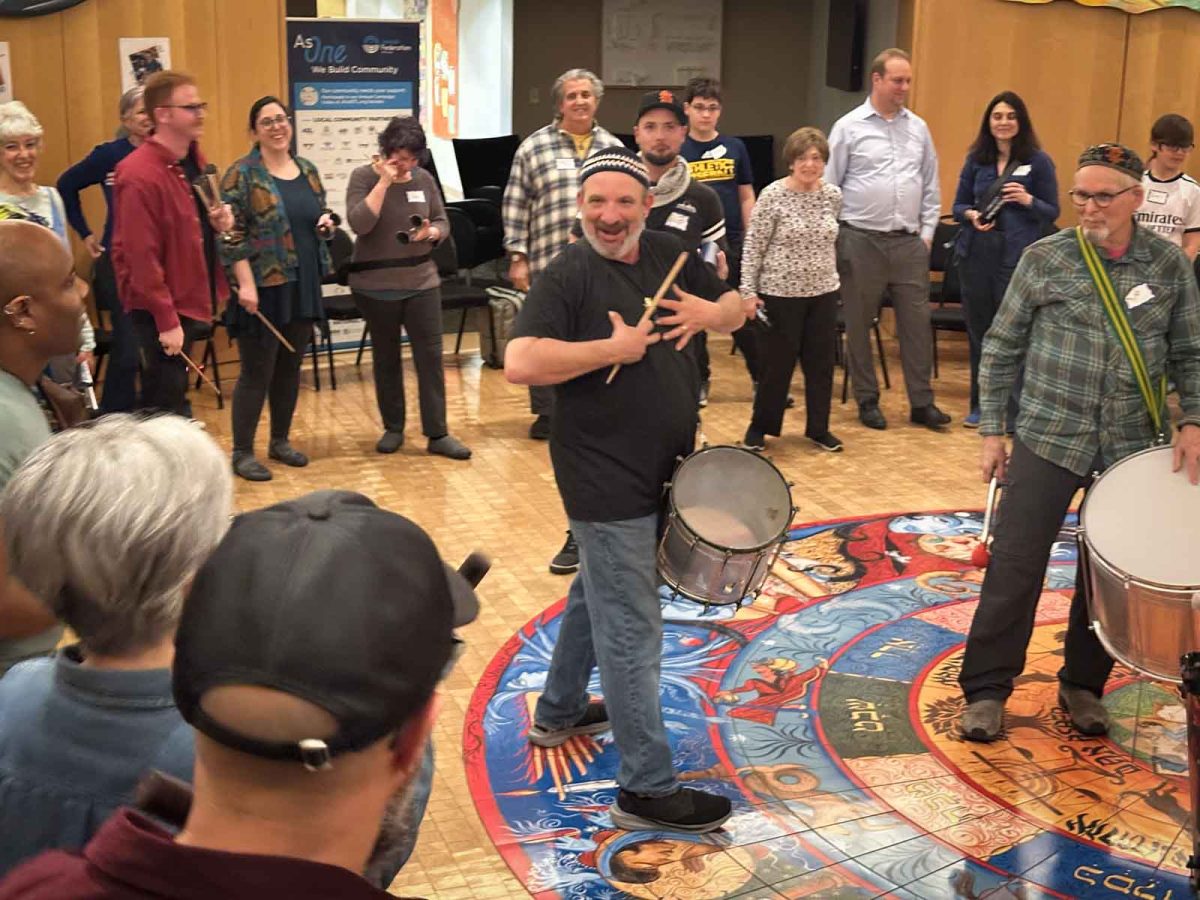
Rob Koritz of Dark Star Orchestra led “Percussion Discussion,” bringing together participants of all ages to explore the history of Samba and its powerful Jewish parallels. The evening moved from rhythm exercises to conversations about resilience, displacement and cultural survival.
By the end, the room was unified in one joyful song. Drums rested in laps, hands clapped in sync and voices layered together. It felt less like a concert and more like a collective exhale.
Brothers Lazaroff draw the community together at Joe’s Café
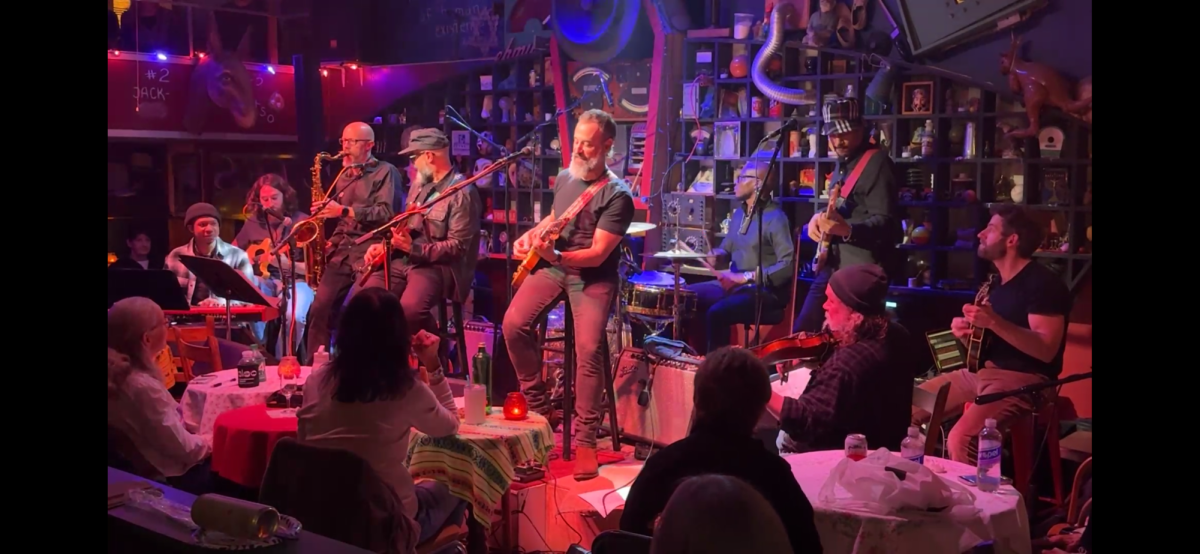
Tuesday night shifted the energy offsite to Joe’s Café and Art Gallery, where Brothers Lazaroff headlined a packed house that felt more like a reunion than a gig.
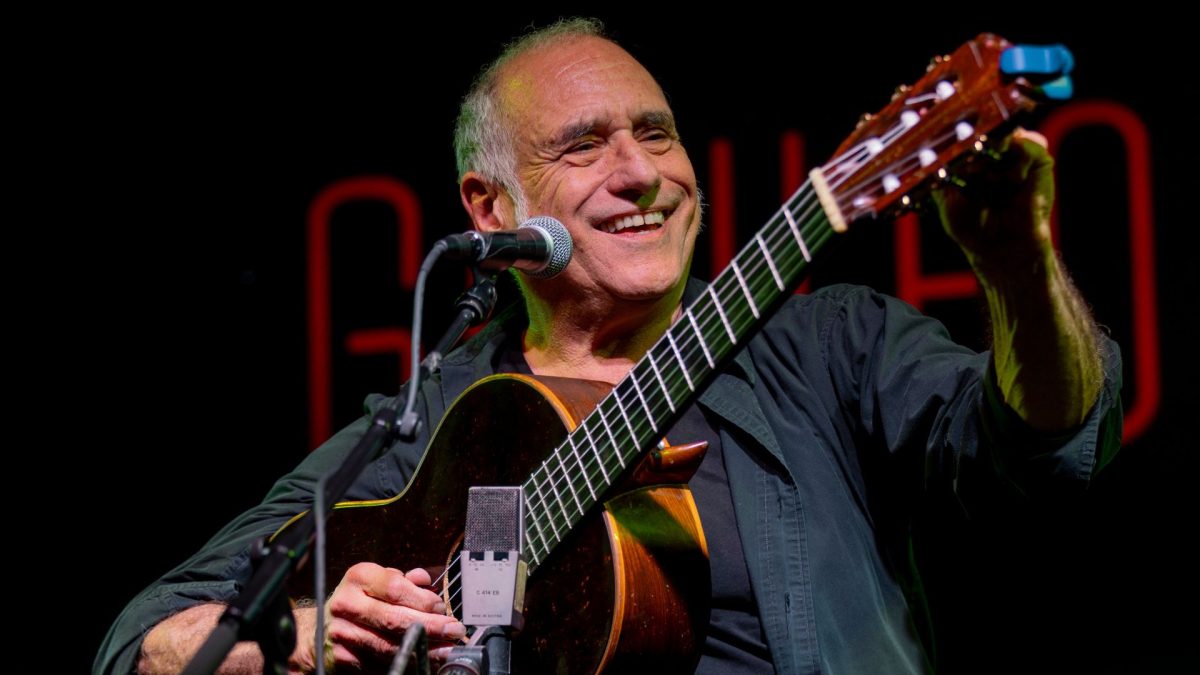
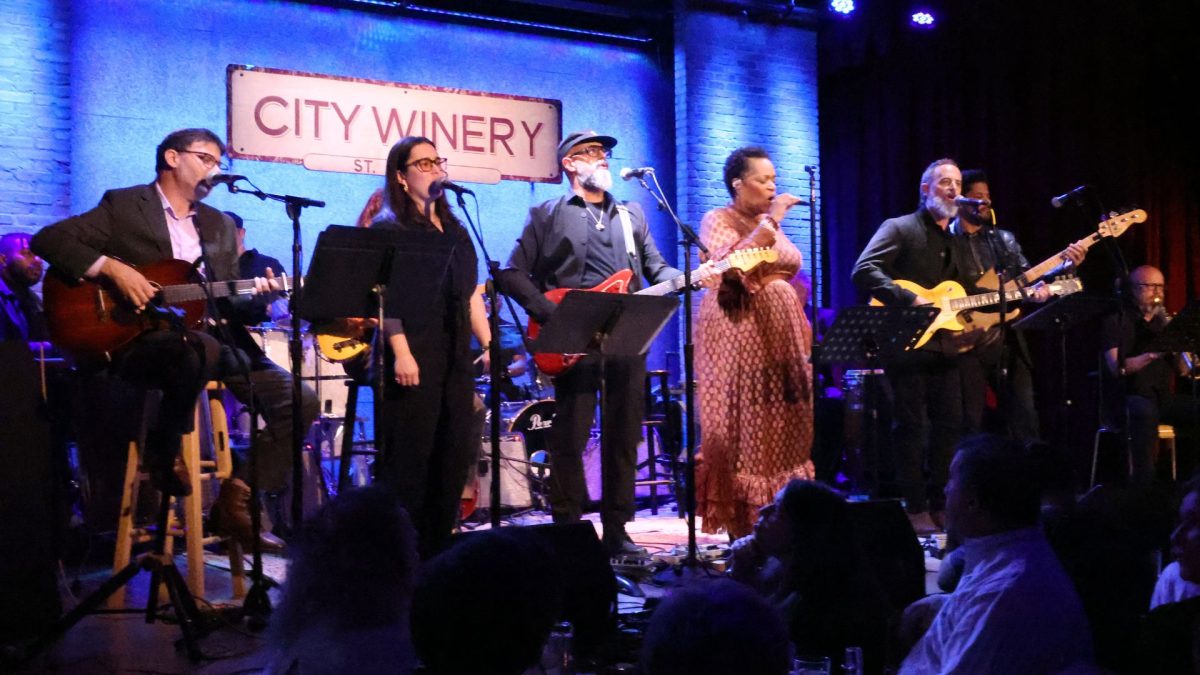
The concert highlighted musicians who have become regular fixtures in CRC’s music program. David Lazaroff anchored the set, joined by mandolinist David Goldenberg, guitarist Joey Ferber and drummer Shlomo Ovadya. The collaboration blurred the line between synagogue stage and city venue.
DJ Boogieman kept the atmosphere vibrant throughout the evening. DG Mando opened with a klezmer-inspired set featuring mandolin, soprano sax and violin, giving the night a distinctly Jewish texture without slipping into nostalgia. Eitan Kantor made a special appearance, drawing the crowd into participatory moments that made listeners part of the music itself.
The evening culminated in a rousing sing-along of “Rivers of Babylon.” The audience needed little encouragement. Voices rose together, hands clapped and for a few minutes, Joe’s Café felt like an extension of CRC’s sanctuary.
More than a concert series
CRC leaders framed the Week of Music as an entry point.
As the only synagogue located within the city of St. Louis, CRC has long positioned itself as a Jewish voice in the broader civic landscape. The week demonstrated what that can look like in practice: guitars in prayer, percussion circles in the sanctuary and klezmer echoing through a neighborhood café.
For some, the draw was history. For others, it was rhythm. For others still, it was the simple act of singing together on a Tuesday night.
Judging by the crowds and the returning faces, the music did more than fill a schedule. It filled the room.