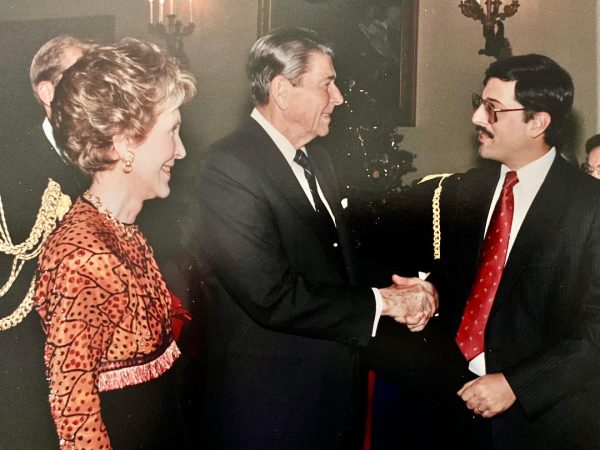

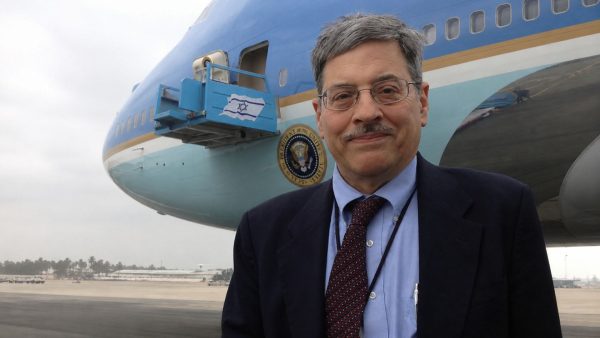
After more than 40 years in broadcast journalism, including 17 years as CBS News’ White House correspondent covering six presidents, Peter Maer kept hearing the same advice.
You should write a book.
His answer rarely changed.
“I used to say, ‘Nobody would read it except my dear mother,'” Maer said, referring to his late mother, Dorothy Maer of Creve Coeur.
Then one day, his oldest grandson, Joshua Maer, overheard the conversation.
ADVERTISEMENT

“He looked at me and said, ‘I would. I think you should do it.'”
The comment stayed with him.
About three years later, Maer finally sat down to write what became “Chasing the Story: A Reporter’s Journey to the White House.”
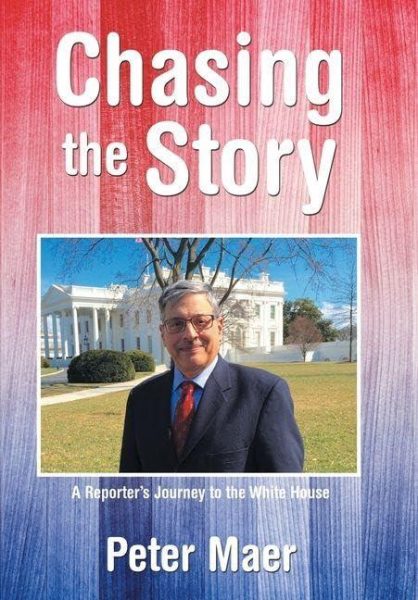
“I started writing like a family history for my grandchildren,” he said. “It just sort of took on a life of its own.”
What began as a family project quickly became something more.
“It was a memory download,” Maer said. “A trip through introspection.”
Looking back to move forward
As he revisited decades of notebooks, cassette tapes and memories, Maer found himself reflecting not only on the presidents he covered but on the people who shaped him long before he ever entered the White House.
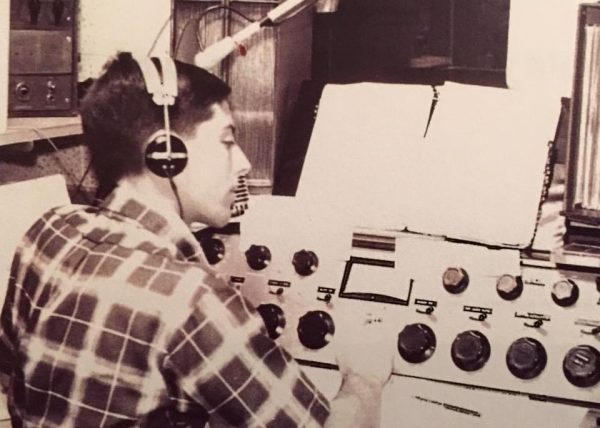
Growing up in Granite City, Ill., Maer was the only Jewish student in his high school graduating class. He attended United Hebrew Congregation in St. Louis, where his parents, grandparents and rabbis instilled values that quietly followed him throughout his career.
“I never thought of myself as a Jewish reporter,” Maer said. “I thought of myself as a reporter who happened to be Jewish.”
Still, he believes those early experiences influenced the way he approached journalism.
“Growing up in the melting pot of Granite City really enhanced my worldview and the way I related to other people,” he said.
The question that guided every story
Whether he was covering the White House, an economic crisis or an overseas disaster, Maer relied on a simple test.
“I’d stop for a nanosecond and say, ‘What would the people back in Granite City want to know?'”
That question became his reporting compass. Whether he was explaining an economic report, a foreign crisis or a White House decision, Maer said it reminded him he wasn’t reporting for Washington insiders.
He was reporting for ordinary Americans trying to understand what had happened and why it mattered.
The assignment he never forgot
Writing the book also reminded him of moments that changed him personally, not just professionally.
“There were so many things I never dreamed I’d witness,” he said, recalling everything from Bill Clinton’s impeachment to Barack Obama’s election and the election of both George H.W. Bush and his son.
Yet one memory that resurfaced had nothing to do with Washington.
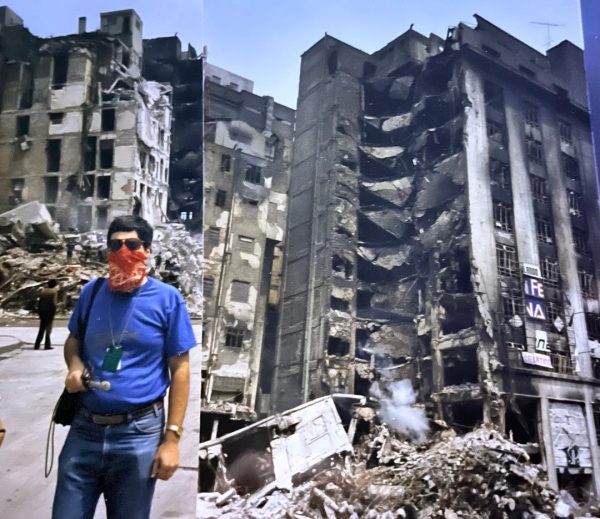
Among them was covering the devastating 1985 Mexico City earthquake.
Standing outside a collapsed children’s hospital, Maer could hear babies crying beneath the rubble while rescuers struggled to reach them. The disaster unfolded during Yom Kippur, and that evening he found a synagogue and attended Kol Nidre services.
“It really drove home the sanctity and value of life,” he said. “As I listened back to the recordings, I realized how much that experience really changed my life.”